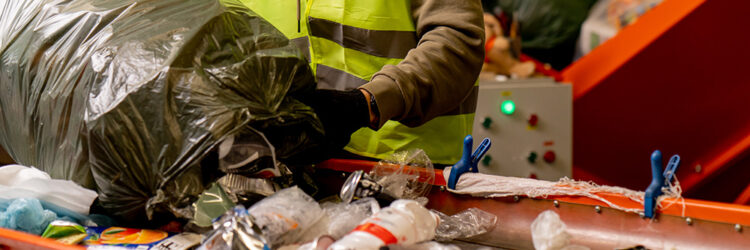
Waste haulers, recycling facilities, transfer stations, processors, and related businesses operate in a highly regulated environment. Identifying environmental risks early and implementing effective compliance procedures helps businesses reduce liability, maintain permits, and respond efficiently to regulatory requirements.
What environmental risks commonly affect the waste and recycling industry?
Common risks include permit violations, improper waste handling, unauthorized materials acceptance, stormwater management deficiencies, air emissions, spills, hazardous waste issues, environmental reporting failures, recordkeeping deficiencies, and changing regulatory requirements.
How can businesses reduce environmental risk?
Develop written compliance procedures, perform routine inspections, conduct employee training, maintain accurate documentation, monitor permit conditions, implement preventive maintenance programs, and complete periodic internal environmental audits.
Why are inspections and audits important?
Routine inspections and internal audits help identify compliance issues before they lead to enforcement actions, allowing businesses to implement corrective measures and improve overall environmental performance.
How should companies respond to changing regulations?
Review regulatory updates regularly, evaluate operational impacts, update internal compliance procedures, retrain employees when necessary, and coordinate with qualified environmental and legal professionals.
Common misconceptions
Environmental risks are not limited to large waste companies, and compliance responsibilities continue after permits are issued. Proactive compliance is an ongoing business function rather than a one-time project.
Key Takeaways
- Identify environmental risks early.
- Maintain strong compliance programs.
- conduct routine inspections and audits.
- Keep accurate environmental records.
- Address deficiencies promptly.
When should you contact an attorney?
Consult an environmental attorney when responding to NJDEP enforcement matters, permitting issues, A-901 licensing concerns, facility expansions, compliance investigations, or significant environmental risks.
Contact The Law Office of Alan S. Ashkinaze
The Law Office of Alan S. Ashkinaze advises waste haulers, recycling companies, transfer stations, processors, and other businesses throughout New Jersey on environmental compliance, permitting, enforcement defense, A-901 licensing, and environmental risk management.
Comments are closed for this article.