 Environmental Law for New Jersey Developers and Redevelopment ProjectsEnvironmental law affects nearly every stage of a New Jersey redevelopment project. Early environmental due diligence, proactive NJDEP permitting, coordinated work between legal counsel and technical consultants, and ongoing compliance during construction help reduce delays, control costs, and minimize environmental liability.
Commercial Environmental Law Resources
Businesses can reduce environmental risk by identifying regulatory issues early, performing thorough due diligence, maintaining compliance programs, coordinating with experienced environmental professionals, and seeking legal guidance before environmental issues affect operations or transactions.
Introduction
New Jersey has one of the nation’s most comprehensive environmental regulatory frameworks. Commercial property owners, developers, manufacturers, recycling companies, warehouse operators, investors, and industrial businesses routinely encounter environmental issues that can affect transactions, operations, permitting, redevelopment, and regulatory compliance. Understanding these issues before they become problems helps businesses reduce risk, avoid delays, and make better strategic decisions.
This resource center serves as the primary hub for many of the most common environmental law questions facing New Jersey businesses. Each topic below links to a dedicated article that explores the subject in greater detail.
Key Areas of Environmental Law
Commercial environmental law frequently involves environmental due diligence, ISRA compliance, site remediation, underground storage tanks, NJDEP permitting, stormwater compliance, enforcement actions, recycling regulations, Environmental Justice requirements, PFAS concerns, environmental liability, and industrial property transactions. Because these issues often overlap, businesses benefit from evaluating environmental risks as part of overall business planning rather than addressing them individually after problems arise.
Common Misconceptions
Many businesses assume environmental law applies only after contamination is discovered. In practice, environmental obligations often arise long before contamination is identified, including during permitting, redevelopment, acquisitions, facility expansions, routine operations, and regulatory inspections.
Key Takeaways
- Evaluate environmental risks early.
- Perform thorough due diligence before transactions.
- Maintain proactive compliance programs.
- Coordinate legal, engineering, and environmental professionals.
- Address NJDEP issues before they escalate.
- Integrate environmental planning into business strategy.
When Should You Contact an Attorney?
Environmental counsel can provide value before purchasing or selling commercial property, expanding facilities, obtaining permits, responding to NJDEP or EPA inquiries, managing contamination, planning redevelopment projects, or negotiating environmental risk allocation in commercial transactions.
Contact The Law Office of Alan S. Ashkinaze
The Law Office of Alan S. Ashkinaze represents developers, manufacturers, industrial businesses, commercial property owners, recycling companies, lenders, investors, and other businesses throughout New Jersey in environmental permitting, regulatory compliance, redevelopment, site remediation, enforcement defense, and transactional environmental matters.
Related Articles
Environmental Law for New Jersey Developers and Redevelopment ProjectsEnvironmental law affects nearly every stage of a New Jersey redevelopment project. Early environmental due diligence, proactive NJDEP permitting, coordinated work between legal counsel and technical consultants, and ongoing compliance during construction help reduce delays, control costs, and minimize environmental liability.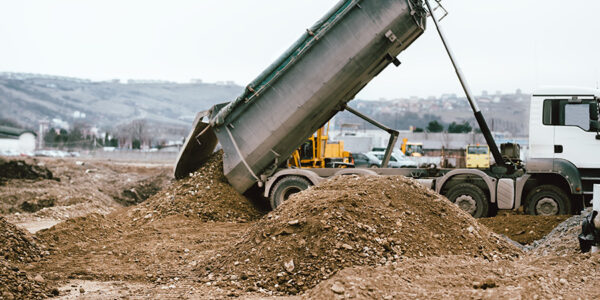 What Is the New Jersey Dirty Dirt Law?New Jersey's "Dirty Dirt Law" is a nickname for legislation enacted to combat illegal dumping and increase oversight of the soil and fill recycling industry. The law expanded New Jersey's A-901 licensing program to cover many businesses involved in collecting, transporting, processing, brokering, storing, purchasing, selling, or disposing of soil and fill recyclable materials. Companies engaged in covered activities must comply with registration, licensing, and disclosure requirements administered by NJDEP.
 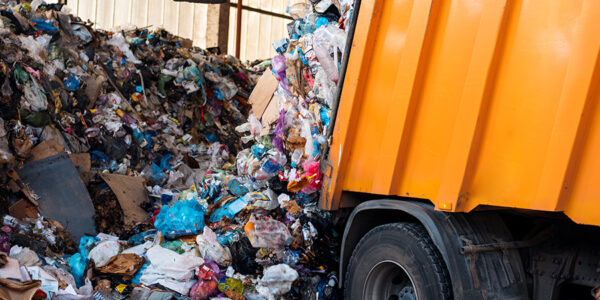 What Businesses Need A-901 Licensing Requirements in New Jersey?New Jersey's A-901 licensing program applies to businesses engaged in the waste industry and soil and fill recycling services. Companies that transport, broker, process, store, or dispose of solid, hazardous, or medical waste—or provide soil and fill recycling services—may need an A-901 license from NJDEP before operating. The licensing process includes detailed ownership disclosures and background investigations designed to ensure integrity within the industry.
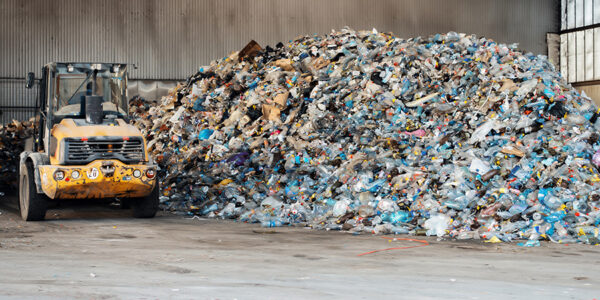 What Environmental Recycling Facility Permits in New Jersey are Needed?Recycling facilities in New Jersey are subject to a wide range of environmental permitting requirements depending on the materials handled, facility operations, and location. Businesses may need approvals from NJDEP for solid waste or recycling activities, air emissions, stormwater, wastewater discharges, wetlands, and other environmental programs. Identifying permit requirements early can help avoid costly delays and compliance issues.
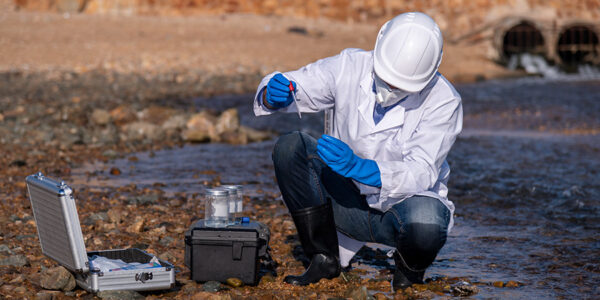 How Do PFAS Regulations Affect New Jersey Businesses?PFAS regulations are becoming increasingly important for New Jersey businesses. Companies that manufacture, use, store, discharge, or remediate properties contaminated with per- and polyfluoroalkyl substances (PFAS) may face additional testing, reporting, permitting, and cleanup obligations. New Jersey has been a national leader in regulating PFAS through drinking water standards, groundwater standards, hazardous substance designations, and site remediation requirements.
 How Does New Jersey Environmental Justice Law Affect Industrial Facilities?New Jersey's Environmental Justice Law requires NJDEP to evaluate how certain new or expanded industrial facilities may affect communities that have historically experienced disproportionate environmental and public health burdens. Covered facilities seeking permits in designated overburdened communities must complete an Environmental Justice Impact Statement (EJIS) and participate in a public hearing before NJDEP makes permitting decisions.
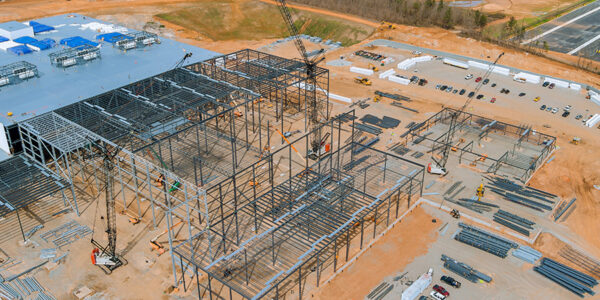 What Environmental Issues Most Commonly Delay Warehouse and Logistics Projects in New Jersey?Warehouse and logistics projects in New Jersey can be delayed by a variety of environmental issues, including contaminated soil, wetlands, stormwater compliance, flood hazard regulations, endangered species concerns, underground storage tanks, and environmental permitting. Identifying these issues early through environmental due diligence and regulatory planning can help developers reduce delays, control costs, and keep projects on schedule.
 How Do Federal EPA Investigations Interact with NJDEP Enforcement?Federal Environmental Protection Agency (EPA) investigations and New Jersey Department of Environmental Protection (NJDEP) enforcement actions often overlap because many environmental laws are enforced by both federal and state agencies. Depending on the circumstances, an investigation may involve one agency, both agencies working together, or one agency taking the lead while the other provides oversight. Understanding how these agencies interact can help businesses, property owners, and developers respond effectively to environmental compliance issues.
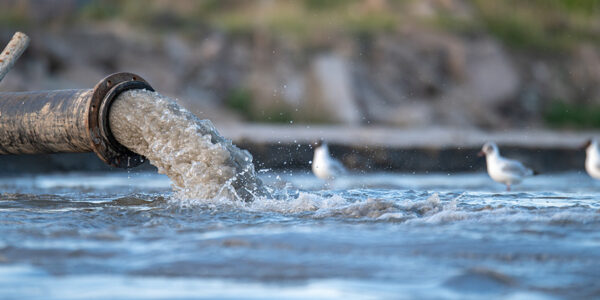 What Are the Penalties for Violating NJDEP Stormwater Permits?Violating an NJDEP stormwater permit can result in notices of violation, administrative enforcement actions, civil penalties, project delays, permit modifications, and, in some cases, stop-work orders. The severity of the penalties depends on the nature of the violation, the environmental impact, the facility's compliance history, and how quickly corrective action is taken. Under New Jersey's Water Pollution Control Act, significant violations may carry substantial monetary penalties.
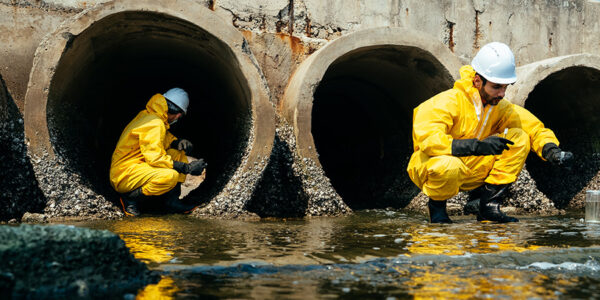 What Are a Developer’s Stormwater Obligations Under NJDEP Rules?Developers in New Jersey must comply with NJDEP stormwater regulations designed to protect water quality, reduce flooding, and manage runoff from new development and redevelopment projects. Depending on the project, developers may need to prepare stormwater management plans, obtain permits, implement best management practices (BMPs), and satisfy municipal and state requirements before construction can begin.
 What Is an LSRP and When Is One Required in New Jersey?A Licensed Site Remediation Professional (LSRP) is a New Jersey-licensed environmental professional responsible for overseeing the investigation and cleanup of contaminated properties under the state's Site Remediation Reform Act (SRRA). An LSRP is required for many remediation projects and plays a central role in helping property owners, businesses, and developers comply with NJDEP site remediation requirements.
 What Are the Most Common NJDEP Violations for Industrial Facilities in New Jersey?Industrial facilities in New Jersey can face NJDEP violations for a wide range of environmental compliance issues, including stormwater permit violations, hazardous waste management, air emissions, water discharges, underground storage tanks, and recordkeeping deficiencies. Understanding these common violations can help businesses reduce regulatory risks, avoid enforcement actions, and maintain compliance with New Jersey environmental laws.
 What Should Buyers Do Before Buying Contaminated Commercial Property in New Jersey?Before purchasing contaminated commercial property in New Jersey, buyers should conduct thorough environmental due diligence, evaluate potential cleanup obligations, review NJDEP records, and understand how contamination could affect financing, redevelopment, and future liability. Identifying environmental risks early can help buyers make informed decisions and avoid costly surprises after closing.
 Can NJDEP Stop or Delay a Redevelopment Project in New Jersey?NJDEP can delay or, in certain circumstances, prevent a redevelopment project from moving forward if environmental requirements are not satisfied. Delays may result from contamination concerns, permit issues, regulatory violations, wetlands restrictions, stormwater requirements, or failure to complete required environmental reviews. Proper planning and early compliance evaluation can help reduce redevelopment delays.
 How Do NJDEP Enforcement Actions Typically Get Resolved?NJDEP enforcement actions are typically resolved through a combination of investigation, communication with regulators, corrective actions, negotiated agreements, penalties, and ongoing compliance requirements. The resolution process depends on the type of violation, environmental impact, cooperation of the regulated party, and applicable New Jersey environmental regulations.
 Who Is Liable for Historic Environmental Contamination in New Jersey?Liability for historic environmental contamination in New Jersey depends on factors such as property ownership history, business operations, environmental laws, and responsibility for the release. A current property owner may face obligations even if they did not cause the contamination. Understanding potential liability before purchasing or redeveloping contaminated property is essential.
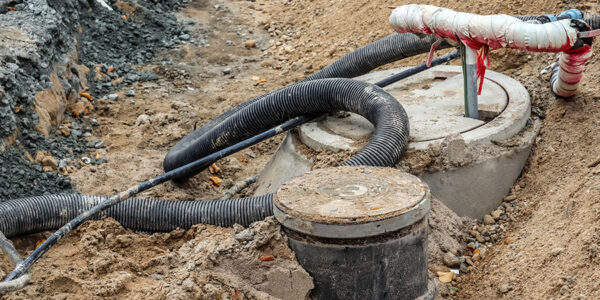 What Happens if Underground Storage Tanks Are Discovered During Redevelopment?Discovering underground storage tanks during redevelopment in New Jersey can create environmental, regulatory, and construction challenges. Property owners and developers may need to investigate the tanks, determine whether contamination exists, notify the appropriate agencies, and complete required remediation before continuing construction. Proper planning can help prevent costly delays and unexpected cleanup obligations.
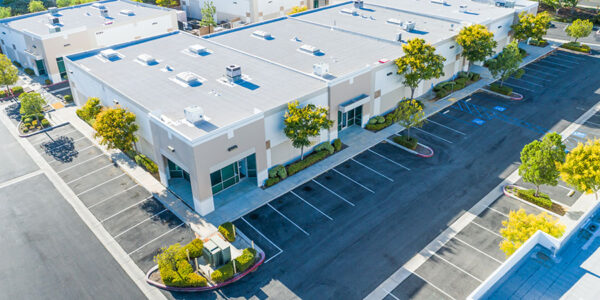 How Can Environmental Contamination Delay a Commercial Real Estate Closing in New Jersey?Environmental contamination can delay a commercial real estate closing in New Jersey by creating regulatory requirements, unexpected cleanup costs, financing concerns, and uncertainty between buyers and sellers. Contaminated soil, groundwater issues, underground storage tanks, and historic industrial uses may require investigation, remediation, or NJDEP involvement before a transaction can move forward.
 What Triggers ISRA Compliance in New Jersey?The Industrial Site Recovery Act (ISRA) is a New Jersey environmental law that may require certain industrial businesses to complete environmental reviews and, if necessary, remediation before closing, selling, or transferring operations. ISRA compliance is generally triggered by events such as the sale of an industrial establishment, cessation of operations, or certain changes in ownership or business activities.