Why Do Recycling Facilities Require Environmental Permits?
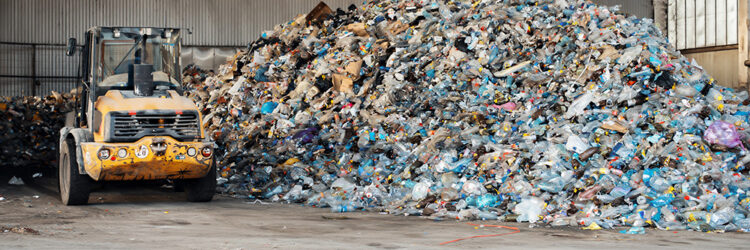
Recycling facilities handle materials that can affect air quality, water quality, soil, and nearby communities. Environmental permits help ensure these facilities operate safely, comply with state and federal environmental laws, and minimize impacts on public health and natural resources.
Depending on the operation, permits may regulate:
- Material handling
- Air emissions
- Stormwater runoff
- Wastewater discharges
- Noise
- Dust control
- Storage practices
- Environmental monitoring
The permits required vary based on the facility’s size, operations, and the types of recyclable materials accepted.
Which Agencies Regulate Recycling Facilities in New Jersey?
The New Jersey Department of Environmental Protection (NJDEP) is the primary agency responsible for regulating recycling facilities, although local governments and, in some cases, federal agencies may also have authority.
A project may involve approvals from:
- NJDEP
- Municipal planning or zoning boards
- County agencies
- Local construction officials
- Local fire officials
- Federal agencies when federal environmental laws apply
Many projects require coordination among multiple regulatory authorities before construction or operations begin.
Is an NJDEP Recycling Approval Required?
Many recycling operations require approval from NJDEP before beginning operations. The type of approval depends on the materials accepted, how they are processed, and whether the operation falls within New Jersey’s recycling or solid waste regulatory programs.
Examples of facilities that may require NJDEP approvals include:
- Construction and demolition material recycling
- Scrap metal recycling
- Concrete and asphalt recycling
- Wood waste recycling
- Class B recycling facilities
- Class C recycling centers
- Class D recycling facilities
The applicable approval process depends on the specific type of recyclable material and facility operations.
What Air Permits Might Be Required?
Many recycling facilities require air permits because their operations generate dust, particulate matter, or other emissions. Equipment used to crush, grind, screen, shred, or process materials may be subject to NJDEP air quality regulations.
Operations that commonly require review include:
- Crushers
- Shredders
- Conveyors
- Screening equipment
- Diesel generators
- Asphalt or concrete processing equipment
- Material handling systems
Air permitting requirements vary depending on equipment, production capacity, and expected emissions.
Are Stormwater Permits Required?
Yes. Many recycling facilities require stormwater permit coverage because rainwater can come into contact with recyclable materials, equipment, and industrial activity. Stormwater regulations help prevent pollutants from reaching nearby streams, rivers, and groundwater.
Stormwater compliance may include:
- Industrial stormwater permits
- Stormwater Pollution Prevention Plans (SWPPPs)
- Employee training
- Routine inspections
- Good housekeeping practices
- Spill prevention measures
- Recordkeeping and monitoring
Facilities with large outdoor storage areas often have additional stormwater management responsibilities.
Can Recycling Facilities Need Water or Wastewater Permits?
Yes. Recycling facilities that discharge wastewater or process water may require additional environmental permits. The applicable requirements depend on whether water is discharged to a municipal sewer system, surface waters, or managed on-site.
Water-related permits may involve:
- Industrial wastewater discharges
- Water reuse systems
- Dewatering activities
- Process water management
- Groundwater discharge requirements
- Water allocation approvals in certain circumstances
Understanding water management requirements early in project planning can reduce permitting delays.
What Other Environmental Permits May Be Required?
Depending on the property’s location and the scope of the project, a recycling facility may require permits from several additional NJDEP environmental programs. These approvals often depend on site conditions rather than the recycling operation itself.
Additional permits or approvals may involve:
- Freshwater wetlands permits
- Flood hazard area permits
- Coastal permits (where applicable)
- Soil erosion and sediment control approvals
- Site remediation requirements
- Underground storage tank (UST) compliance
- Environmental Justice Law review for covered facilities
- Threatened and endangered species evaluations
Many projects require multiple permits that are reviewed simultaneously, making early planning essential.
How Do Zoning and Land Use Approvals Affect Recycling Facilities?
Environmental permits are only one part of the approval process. Most recycling facilities must also obtain local land use approvals before construction or operation.
Depending on the municipality, a project may require:
- Zoning approval
- Planning board approval
- Site plan approval
- Variances
- Building permits
- Fire code approvals
- Occupancy permits
Local approval does not replace NJDEP permitting, and obtaining an environmental permit does not automatically satisfy municipal requirements. Developers should plan for both processes to proceed together whenever possible.
How Can Businesses Prepare for the Permitting Process?
The most successful recycling facility projects begin environmental planning well before permit applications are submitted. Early due diligence can identify potential regulatory issues and reduce costly redesigns or delays.
Helpful steps include:
Evaluate the Property
Review whether the site presents issues such as:
-
- Wetlands
- Flood hazard areas
- Existing contamination
- Historic fill
- Underground storage tanks
- Environmental Justice Law applicability
Define Facility Operations
Clearly identifying:
-
- Accepted materials
- Processing methods
- Storage practices
- Equipment
- Hours of operation
helps determine which environmental permits will be required.
Coordinate the Project Team
Projects often benefit from collaboration among:
-
- Engineers
- Environmental consultants
- Surveyors
- Air quality specialists
- Land use professionals
- Environmental attorneys
Early coordination helps identify permitting requirements before construction schedules are finalized.
What Are Common Misconceptions About Recycling Facility Permits?
Many business owners underestimate the number of approvals required to develop or expand a recycling facility. Understanding the permitting process early can prevent expensive surprises.
Misconception: One NJDEP permit covers the entire project.
Reality: Recycling facilities frequently require multiple permits addressing different environmental programs, such as air quality, stormwater, wastewater, wetlands, and solid waste or recycling regulations.
Misconception: Local zoning approval is all that’s needed.
Reality: Municipal approvals and environmental permits are separate processes. Most projects require both.
Misconception: Existing industrial property automatically qualifies for recycling operations.
Reality: A property’s previous industrial use does not eliminate the need for environmental review or new permits.
Misconception: Permit requirements are identical for every recycling facility.
Reality: Required permits vary depending on the materials handled, processing methods, emissions, water usage, and the property’s environmental characteristics.
Practical Example: Opening a Construction Materials Recycling Facility
A company plans to open a facility that recycles concrete, asphalt, and construction debris on a former industrial property.
Before beginning operations, the project team:
- Determines the applicable NJDEP recycling approvals.
- Evaluates air permitting requirements for crushing and screening equipment.
- Obtains industrial stormwater permit coverage.
- Completes a wetlands review because a stream borders the property.
- Secures local planning board and site plan approvals.
- Coordinates permit applications to reduce scheduling conflicts.
By addressing environmental permitting early, the company minimizes delays and positions the project for a more efficient approval process.
Key Takeaways
- Recycling facilities in New Jersey often require multiple environmental permits.
- NJDEP is the primary environmental regulatory agency, but local approvals are also typically required.
- Air quality, stormwater, wastewater, wetlands, and recycling program approvals may all apply.
- Site conditions and facility operations determine which permits are needed.
- Early environmental due diligence and project coordination can reduce permitting delays.
- Working with experienced environmental professionals helps businesses navigate complex regulatory requirements.
When Should You Contact an Attorney?
Businesses planning to build, expand, purchase, or operate a recycling facility should consider consulting an environmental attorney early in the permitting process. Legal guidance can help identify applicable regulations, coordinate environmental approvals, respond to agency requests, and address permitting challenges before they delay a project.
An environmental attorney may be helpful when:
- Multiple NJDEP permits are required.
- Local zoning and environmental approvals overlap.
- Environmental contamination is discovered.
- A project is subject to the Environmental Justice Law.
- Regulatory agencies raise compliance concerns.
- Permit conditions are disputed.
- Enforcement actions or permit denials occur.
Early legal involvement can help businesses develop a coordinated permitting strategy while reducing regulatory risk.
Developing or expanding a recycling facility requires careful planning and coordination across multiple environmental regulatory programs. The Law Office of Alan S. Ashkinaze advises recycling companies, developers, commercial property owners, and industrial businesses on NJDEP permitting, environmental compliance, site remediation, Environmental Justice Law issues, redevelopment, and regulatory enforcement. Contact The Law Office of Alan S. Ashkinaze to discuss the environmental permitting requirements for your recycling project.
Comments are closed for this article.