 Environmental Penalties Related to Stormwater ViolationsStormwater violations can expose commercial and industrial facilities to enforcement actions, financial penalties, and operational disruptions. Understanding compliance obligations helps businesses reduce regulatory risk.
New Jersey Stormwater and NJPDES Compliance
Businesses that proactively manage NJPDES stormwater compliance through proper permitting, Stormwater Pollution Prevention Plans (SWPPPs), inspections, documentation, and legal guidance are better positioned to reduce regulatory risk and avoid costly enforcement actions.
Introduction
Stormwater management is a critical component of environmental compliance for commercial and industrial facilities throughout New Jersey. Businesses engaged in manufacturing, warehousing, distribution, construction, redevelopment, recycling, and other regulated activities may be subject to NJPDES stormwater permitting requirements and ongoing compliance obligations. Proactive planning helps reduce enforcement risk, protect project schedules, and support efficient operations.
Stormwater compliance extends well beyond obtaining a permit. Facilities are often responsible for inspections, monitoring, documentation, employee training, pollution prevention measures, and maintaining compliance throughout the life of the operation.
Understanding NJPDES Stormwater Compliance
The New Jersey Pollutant Discharge Elimination System (NJPDES) regulates many stormwater discharges associated with industrial and commercial activities. Depending on the operation, businesses may need permits, pollution prevention plans, monitoring programs, inspections, and ongoing recordkeeping. Construction and redevelopment projects may also trigger additional stormwater obligations that should be evaluated during project planning.
Early identification of applicable requirements allows businesses to coordinate engineers, environmental consultants, contractors, and legal counsel before compliance issues affect project timelines.
Building an Effective Compliance Program
An effective stormwater compliance program includes routine inspections, employee training, preventive maintenance, accurate documentation, periodic audits, and regular review of permit conditions. Businesses should also evaluate operational changes, facility expansions, and redevelopment projects to determine whether permit modifications or additional approvals are necessary. Continuous compliance reduces the likelihood of violations and supports long-term operational stability.
Common Misconceptions
Some businesses assume stormwater compliance only matters after receiving a permit or inspection notice. In reality, planning before operational changes or construction begins is often the best way to prevent violations and project delays.
Key Takeaways
- Identify stormwater permit obligations early.
- Maintain an effective Stormwater Pollution Prevention Plan.
- Perform routine inspections and recordkeeping.
- Review permit conditions regularly.
- Coordinate legal and technical professionals.
- Address compliance issues proactively before enforcement occurs.
When Should You Contact an Attorney?
Environmental counsel should be involved when evaluating NJPDES permit requirements, responding to inspections or enforcement actions, planning construction or redevelopment projects, modifying existing operations, or implementing long-term stormwater compliance strategies.
Contact The Law Office of Alan S. Ashkinaze
The Law Office of Alan S. Ashkinaze advises commercial and industrial businesses throughout New Jersey on NJPDES permitting, stormwater compliance, regulatory counseling, environmental enforcement, redevelopment projects, and long-term environmental risk management.
Related Articles
Environmental Penalties Related to Stormwater ViolationsStormwater violations can expose commercial and industrial facilities to enforcement actions, financial penalties, and operational disruptions. Understanding compliance obligations helps businesses reduce regulatory risk. Managing Stormwater Compliance During Construction and RedevelopmentConstruction and redevelopment projects in New Jersey frequently involve stormwater compliance obligations. Proper planning and coordination can help businesses reduce regulatory risks, avoid project delays, and maintain compliance throughout project development.
 Preparing for NJDEP Stormwater InspectionsBusinesses subject to New Jersey stormwater regulations should be prepared for NJDEP inspections by maintaining complete records, following permit requirements, and implementing effective compliance programs.
 How Environmental Counsel Helps Businesses Stay Stormwater CompliantStormwater compliance is a significant responsibility for many commercial and industrial facilities in New Jersey. Environmental counsel can help businesses understand regulatory obligations, reduce compliance risks, and respond to enforcement issues.
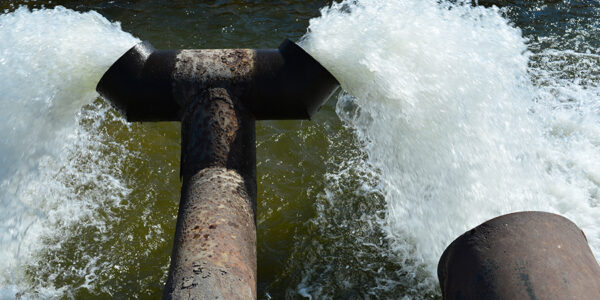 Environmental Compliance for Industrial Stormwater DischargesIndustrial facilities that discharge stormwater in New Jersey may be subject to NJPDES permit requirements and ongoing compliance obligations. A proactive compliance program helps reduce regulatory risk and avoid enforcement actions.
 Best Practices for Maintaining NJPDES ComplianceMaintaining compliance with New Jersey Pollutant Discharge Elimination System (NJPDES) requirements requires ongoing attention to permits, inspections, recordkeeping, and pollution prevention. Proactive compliance programs can help reduce regulatory risk.
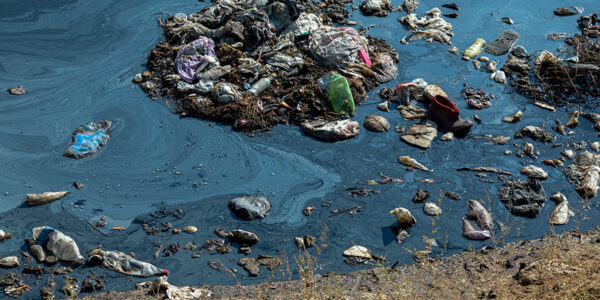 Avoiding Stormwater Compliance Violations in New JerseyBusinesses subject to New Jersey stormwater regulations can reduce regulatory risk by understanding permit requirements, maintaining compliance programs, and proactively addressing potential deficiencies before they become violations.
 NJPDES Stormwater Permit Requirements for Commercial and Industrial FacilitiesMany commercial and industrial facilities in New Jersey are subject to NJPDES stormwater permitting requirements. Understanding permit obligations, inspections, recordkeeping, and pollution prevention responsibilities helps businesses reduce compliance risks.
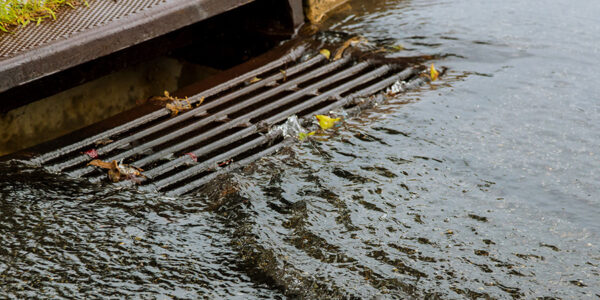 Stormwater Pollution Prevention Plans: What Businesses Need to KnowMany commercial and industrial facilities in New Jersey must prepare and maintain Stormwater Pollution Prevention Plans (SWPPPs) as part of their environmental compliance obligations. Understanding these plans can help businesses reduce regulatory risk and support ongoing compliance.
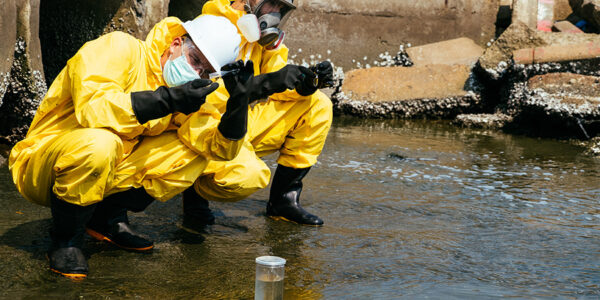 Common NJPDES Inspection Findings and How to Prevent ThemNJPDES inspections frequently identify recurring compliance issues involving permits, documentation, inspections, and stormwater management practices. Understanding these common findings can help businesses strengthen their compliance programs and reduce regulatory risk.