Underground storage tanks are heavily regulated because leaks can create significant environmental and financial liabilities. New Jersey businesses should understand applicable NJDEP requirements and develop compliance programs that reduce the likelihood of violations.
What are underground storage tanks?
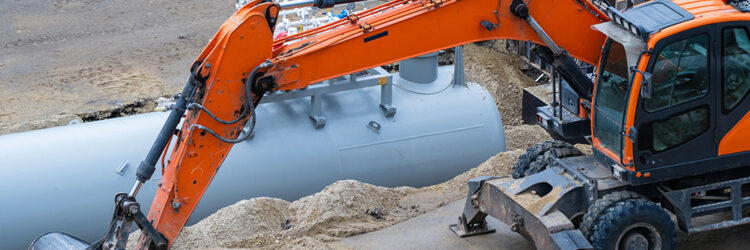
USTs are tanks and connected piping that store regulated substances below ground. Federal and New Jersey regulations establish requirements for registration, leak detection, corrosion protection, spill prevention, inspections, recordkeeping, and other operational responsibilities.
What compliance requirements commonly apply?
Depending on the facility, owners and operators may need to comply with registration requirements, inspection schedules, leak detection, operator training, release reporting, financial responsibility obligations, closure procedures, and corrective action requirements.
How can businesses reduce compliance risks?
Maintain accurate records, perform routine inspections, promptly address equipment issues, establish preventive maintenance programs, coordinate with qualified environmental professionals, and periodically review compliance obligations with legal counsel.
Common misconceptions
Owning a UST does not automatically mean a facility is out of compliance. Many regulatory issues can be avoided through proactive maintenance, documentation, and timely reporting.
Key Takeaways
- Understand applicable NJDEP requirements.
- Maintain complete inspection and maintenance records.
- Respond promptly to suspected releases.
- Coordinate technical and legal compliance efforts.
- Review UST programs regularly.
When should you contact an attorney?
Consult an environmental attorney when purchasing property with USTs, responding to suspected releases, addressing NJDEP enforcement actions, negotiating liability issues, or developing compliance strategies.
Contact The Law Office of Alan S. Ashkinaze
The Law Office of Alan S. Ashkinaze advises commercial property owners, industrial businesses, fuel distributors, and other regulated entities throughout New Jersey on underground storage tank compliance, remediation, permitting, and NJDEP enforcement matters.
Comments are closed for this article.