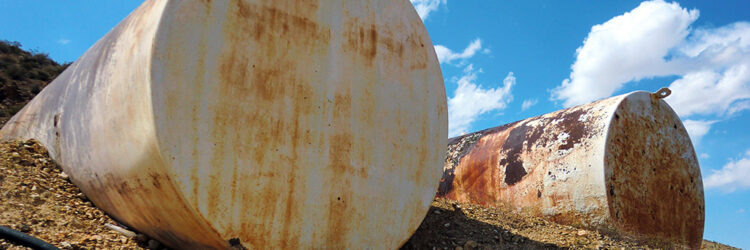
When an underground storage tank is permanently taken out of service, owners and operators must follow applicable federal and New Jersey requirements. Closure projects often involve tank removal or approved closure methods, environmental evaluation, and documentation.
What does UST closure involve?
Depending on the circumstances, closure may include obtaining required approvals, emptying and cleaning the tank, removing or properly closing the system, evaluating surrounding soil for evidence of releases, documenting closure activities, and satisfying applicable NJDEP requirements.
What environmental issues may arise?
If contamination is identified during closure, additional investigation or remediation may be required. The scope depends on site conditions, regulatory requirements, and the nature of any release.
How can businesses prepare?
Review compliance records, plan the closure well in advance, coordinate with qualified environmental professionals, maintain complete documentation, and integrate closure activities into broader redevelopment or operational plans.
Common misconceptions
Removing a tank does not automatically end environmental obligations. If contamination is discovered, additional regulatory requirements and corrective actions may still apply.
Key Takeaways
- Plan UST closures early.
- Maintain complete records.
- Evaluate the site for potential contamination.
- Coordinate legal and technical professionals.
- Address regulatory requirements proactively.
When should you contact an attorney?
Consult an environmental attorney when planning a UST closure, responding to contamination discovered during removal, addressing NJDEP requirements, negotiating liability issues, or preparing property for sale or redevelopment.
Contact The Law Office of Alan S. Ashkinaze
The Law Office of Alan S. Ashkinaze advises commercial property owners, industrial businesses, developers, fuel distributors, and other regulated entities throughout New Jersey on underground storage tank compliance, closure, remediation, and NJDEP regulatory matters.
Comments are closed for this article.