
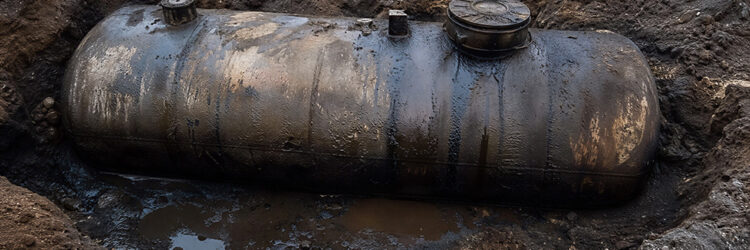
Underground storage tank releases require prompt attention. Depending on the circumstances, businesses may need to report the release, investigate the extent of contamination, implement corrective actions, and coordinate with environmental professionals and regulators.
What happens after a UST leak is discovered?
The response typically includes securing the site, reporting the release when required, evaluating the source and extent of contamination, engaging qualified environmental professionals, and developing an appropriate corrective action plan consistent with applicable regulations.
Are businesses required to investigate the release?
In many situations, an environmental investigation is necessary to determine the nature and extent of any contamination. The scope depends on the facts, regulatory requirements, and site conditions.
How can businesses minimize liability?
Respond promptly, preserve relevant records, cooperate with qualified environmental professionals, document response efforts, and coordinate technical and legal strategies throughout the investigation and remediation process.
Common misconceptions
Not every suspected release results in extensive remediation, but every potential leak should be evaluated promptly to determine the appropriate regulatory response.
Key Takeaways
- Respond quickly to suspected leaks.
- Understand reporting obligations.
- Investigate potential contamination.
- Coordinate legal and technical professionals.
- Maintain complete documentation.
When should you contact an attorney?
Consult an environmental attorney when responding to a UST release, addressing NJDEP requirements, evaluating liability, negotiating with responsible parties, or managing enforcement or remediation issues.
Contact The Law Office of Alan S. Ashkinaze
The Law Office of Alan S. Ashkinaze represents businesses, property owners, fuel distributors, and commercial clients throughout New Jersey in matters involving underground storage tank releases, environmental compliance, remediation, and NJDEP enforcement.
Comments are closed for this article.