
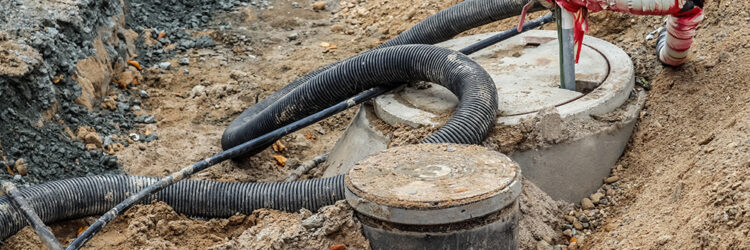
What Happens When an Underground Storage Tank Is Found During Construction?
When an underground storage tank is discovered during redevelopment, the property owner or developer must typically evaluate the tank’s condition, determine whether contamination exists, and address applicable New Jersey Department of Environmental Protection (NJDEP) requirements. The discovery may require investigation, tank removal, soil testing, and remediation before redevelopment can continue.
Underground storage tanks (USTs) are commonly discovered during excavation for:
- Commercial buildings
- Warehouse developments
- Parking areas
- Utility installation
- Road improvements
- Brownfield redevelopment projects
Many underground tanks were installed decades ago for storing heating oil, gasoline, diesel fuel, or other regulated substances. Some properties may have tanks that were abandoned, forgotten, or not identified during initial property reviews.
The discovery of an underground storage tank does not automatically mean a property is contaminated. However, because tanks can leak over time, regulators and environmental professionals generally evaluate whether the tank has affected soil, groundwater, or surrounding areas.
Early identification of underground storage tanks can help developers manage costs, avoid construction delays, and maintain compliance with environmental regulations.
Why Are Underground Storage Tanks an Environmental Concern in New Jersey?
Underground storage tanks are an environmental concern because leaks can release petroleum products or hazardous substances into soil and groundwater. Even small releases from aging tanks can create contamination issues that require investigation and cleanup under New Jersey environmental regulations.
New Jersey has thousands of properties with current or historical underground storage tanks. Many older tanks were installed before modern environmental standards required improved corrosion protection and leak detection systems.
Potential environmental concerns include:
- Petroleum-contaminated soil
- Groundwater contamination
- Soil vapor impacts
- Impacts to nearby properties
- Cleanup obligations
- Construction delays
Common substances stored in underground tanks include:
- Heating oil
- Gasoline
- Diesel fuel
- Waste oil
- Chemicals
For example, a developer may purchase a former industrial property intending to build a warehouse. During excavation, workers discover an abandoned fuel tank. Before construction continues, the developer may need to determine whether the tank leaked and whether contaminated soil must be removed.
Are Underground Storage Tanks Commonly Found During Redevelopment Projects?
Yes, underground storage tanks are frequently discovered during redevelopment, especially on former industrial, commercial, and agricultural properties. Many older properties contain tanks that were installed for heating systems, equipment operation, fuel storage, or industrial processes.
Properties with a higher likelihood of underground storage tanks include:
- Former gas stations
- Manufacturing facilities
- Auto repair facilities
- Industrial plants
- Commercial buildings with oil heating systems
- Former agricultural properties
A property’s current use may not reveal its environmental history. A vacant lot or newly purchased commercial site may have previously supported operations that involved fuel storage or chemical handling.
This is why environmental due diligence is especially important before redevelopment.
Should Developers Perform Environmental Due Diligence Before Redevelopment?
Yes, environmental due diligence before redevelopment can help identify underground storage tanks and other potential environmental concerns before construction begins. Early investigation allows developers to plan for possible costs, regulatory requirements, and project delays.
Common due diligence activities include:
Phase I Environmental Site Assessment
A Phase I ESA reviews:
- Historical property records
- Previous ownership
- Former uses
- Regulatory databases
- Environmental concerns
Site Investigation
Additional investigation may include:
- Geophysical surveys
- Ground-penetrating radar
- Test pits
- Soil sampling
- Groundwater testing
Review of Historical Records
Developers may review:
- NJDEP records
- Property records
- Fire department records
- Building permits
- Historical maps
These steps can help identify underground tanks before excavation begins.
Discovering a tank during planning is generally easier to manage than discovering one after construction has started.
What Should You Do After Discovering an Underground Storage Tank?
After discovering an underground storage tank, the property owner or developer should stop activities that could disturb the tank, evaluate the condition of the tank, and determine whether environmental reporting or remediation requirements apply. The appropriate response depends on the type of tank, its contents, and whether contamination is present.
Typical steps may include:
- Securing the area
- Identifying the tank contents and history
- Evaluating whether the tank leaked
- Contacting qualified environmental professionals
- Completing required testing
- Removing or closing the tank properly
- Addressing contamination if necessary
Developers should avoid simply removing a tank without proper evaluation. Improper handling can disturb contaminated soil, create additional cleanup issues, or result in regulatory problems.
Environmental consultants and Licensed Site Remediation Professionals (LSRPs) can assist with evaluating site conditions and determining the appropriate regulatory pathway.
Does Finding an Underground Storage Tank Automatically Mean the Property Is Contaminated?
No, finding an underground storage tank does not automatically mean contamination exists. A tank may be intact and properly removed or closed without requiring extensive remediation if testing confirms that no release occurred.
However, environmental professionals typically evaluate factors such as:
- Tank age
- Tank material
- Signs of corrosion
- Presence of petroleum odors
- Evidence of staining
- Soil conditions
- Previous operating history
For example, an abandoned heating oil tank may be removed and the surrounding soil tested. If no contamination is detected, the project may proceed with limited additional environmental requirements.
If a leak is discovered, additional investigation and cleanup may be necessary.
What NJDEP Requirements Apply When Underground Storage Tanks Are Discovered?
When an underground storage tank is discovered during redevelopment, the applicable NJDEP requirements depend on factors such as the tank’s contents, condition, whether a release occurred, and the environmental impact of any contamination. New Jersey regulates underground storage tanks to protect soil, groundwater, and public health.
The NJDEP regulates many aspects of underground storage tanks, including:
- Tank registration requirements
- Release reporting obligations
- Tank removal procedures
- Closure requirements
- Contaminated site remediation
- Documentation of environmental compliance
The specific requirements may vary depending on whether the tank contained regulated substances, whether it was active or abandoned, and whether contamination is present.
For example, an underground heating oil tank discovered during excavation may require different handling than a gasoline storage tank at a former service station. The response depends on the circumstances of the discovery.
Because underground storage tank issues can involve both technical and legal requirements, developers often work with environmental consultants, LSRPs, and legal professionals to determine the appropriate next steps.
What Happens During Underground Storage Tank Removal?
Underground storage tank removal involves safely removing the tank, evaluating surrounding conditions, and documenting whether contamination exists. Proper removal procedures help prevent additional environmental impacts and provide records that may be needed for future property transactions.
A typical tank removal process may include:
Preparing the excavation area:
The area around the tank is carefully exposed so the tank can be accessed safely.
Removing remaining contents:
Any remaining fuel, petroleum products, or other substances must be properly removed and managed.
Excavating and removing the tank
The tank is removed according to applicable environmental and safety requirements.
Inspecting the tank and surrounding soil
Environmental professionals may evaluate the tank for corrosion, holes, staining, or evidence of leaks.
Collecting soil samples when appropriate
Soil testing may determine whether contamination exists.
Documenting the removal
Records may include photographs, disposal documentation, testing results, and environmental reports.
Simply removing a tank does not always resolve environmental concerns. If contamination is discovered, additional remediation may be required.
Can an Underground Storage Tank Discovery Delay a Redevelopment Project?
Yes, discovering an underground storage tank during redevelopment can delay construction by requiring investigation, regulatory review, removal activities, or environmental cleanup. The length of the delay depends on the condition of the tank and whether contamination is identified.
Potential causes of redevelopment delays include:
- Waiting for environmental testing results
- Coordinating tank removal
- Reporting releases to NJDEP
- Removing contaminated soil
- Developing remediation plans
- Adjusting construction plans
For example, a developer may begin excavation for a new warehouse and discover an abandoned diesel fuel tank. Construction may need to pause while the tank is evaluated and removed. If petroleum contamination is found, additional work may be necessary before excavation can continue.
Planning for potential underground storage tank discoveries can help reduce project disruptions.
Who Is Responsible for Cleanup Costs After a Tank Is Discovered?
Responsibility for underground storage tank cleanup costs depends on the facts surrounding the property, the parties involved, and applicable environmental laws. Responsibility may involve current owners, previous owners, operators, or other parties connected to the contamination.
A common misconception is that the person who discovers the tank is automatically responsible for all cleanup costs. Environmental responsibility can be more complicated.
Factors that may affect responsibility include:
- Who owned the property when the release occurred
- Who operated the tank
- Whether the tank was properly maintained
- Whether contamination existed before purchase
- Agreements between buyers and sellers
Commercial real estate purchase agreements often address environmental responsibilities through provisions such as:
- Environmental representations
- Indemnification clauses
- Allocation of cleanup obligations
- Escrow arrangements
Because environmental liability can significantly affect redevelopment costs, these issues are often addressed before closing.
How Do Underground Storage Tanks Affect Commercial Property Transactions?
Underground storage tanks can affect commercial property transactions by creating uncertainty about environmental liability, cleanup costs, and redevelopment timelines. Buyers and sellers should evaluate potential tank-related issues before finalizing a purchase agreement.
A buyer considering a commercial property may want to understand:
- Whether tanks currently exist
- Whether tanks were previously removed
- Whether releases were reported
- Whether NJDEP cases remain open
- Whether future remediation may be required
Sellers may need to consider:
- Disclosure obligations
- Existing environmental responsibilities
- Documentation of prior tank removals
- Regulatory compliance records
For developers, identifying underground storage tanks before closing allows environmental issues to be addressed as part of the transaction rather than discovered unexpectedly during construction.
What Are Common Misconceptions About Underground Storage Tanks?
Many misconceptions exist about underground storage tanks, including the belief that every tank requires extensive cleanup or that removal automatically eliminates environmental liability. The actual requirements depend on the tank’s condition, contents, and environmental impact.
Misconception: Every underground storage tank discovery requires major remediation.
Reality: Some tanks are removed without significant cleanup if no release occurred.
Misconception: A tank that is no longer used is not an environmental concern.
Reality: Abandoned tanks can deteriorate and may still contain residual materials or cause contamination.
Misconception: Removing the tank solves all environmental issues.
Reality: If contamination exists, additional investigation or remediation may be required.
Misconception: Environmental problems only occur at gas stations.
Reality: Underground storage tanks are found at many types of properties, including industrial facilities, warehouses, and commercial buildings.
Practical Example: Underground Storage Tank Discovery During Redevelopment
A developer purchases a former industrial property in New Jersey with plans to construct a distribution center. During site excavation, workers discover an abandoned underground heating oil tank.
The developer must determine:
- Whether the tank is intact
- Whether petroleum was released
- Whether soil contamination exists
- Whether NJDEP reporting is required
- Whether construction plans must be modified
Testing reveals petroleum impacts in the surrounding soil. The developer works with environmental professionals to remove the tank, address contaminated soil, and complete required regulatory steps.
Although the discovery delays the project, early coordination allows redevelopment to continue.
Key Takeaways
- Underground storage tanks are commonly discovered during redevelopment projects in New Jersey.
- Finding a tank does not automatically mean contamination exists.
- Tanks must be properly evaluated, removed, or closed according to applicable requirements.
- Petroleum releases and hazardous substances can require NJDEP oversight and remediation.
- Early environmental due diligence can help identify tank-related risks before construction begins.
- Responsibility for cleanup costs depends on the facts and applicable agreements.
- Proper planning can reduce delays and unexpected redevelopment expenses.
When Should You Contact an Attorney?
You should consider contacting an environmental attorney when an underground storage tank discovery may affect a commercial transaction, redevelopment project, or potential cleanup obligation. Legal guidance can help property owners, buyers, and developers understand responsibilities and protect their interests.
An environmental attorney may be helpful when:
- A tank is discovered during construction
- Contamination is suspected or confirmed
- NJDEP becomes involved
- Cleanup responsibility is disputed
- A property transaction involves underground storage tanks
- Environmental provisions are needed in purchase agreements
- Redevelopment timelines are affected
Environmental issues involving underground storage tanks often require coordination between attorneys, engineers, consultants, and regulatory agencies.
Discovering underground storage tanks during redevelopment can create unexpected environmental and legal challenges. The Law Office of Alan S. Ashkinaze assists New Jersey property owners, developers, and businesses with environmental compliance matters involving contaminated properties, NJDEP requirements, and redevelopment projects. Contact The Law Office of Alan S. Ashkinaze to discuss how underground storage tank issues may affect your property transaction or development plans.
Comments are closed for this article.