Why Does NJDEP Inspect Industrial Facilities?
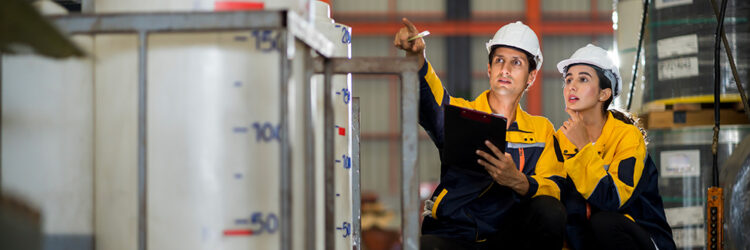
The New Jersey Department of Environmental Protection (NJDEP) conducts inspections to verify that industrial facilities comply with state environmental laws, permits, and regulations. Inspections help protect public health and natural resources by ensuring businesses properly manage waste, control pollution, and maintain required environmental records.
An NJDEP inspection may occur because of:
- Routine compliance inspections
- Permit renewals
- Citizen complaints
- Spill reports
- Self-reported incidents
- Follow-up inspections after previous violations
- Targeted enforcement initiatives
Many inspections conclude without significant enforcement actions. However, violations may be identified when facilities fail to meet regulatory requirements or maintain required documentation.
What Are the Most Common NJDEP Violations?
The most common NJDEP violations involve permit compliance, hazardous waste management, stormwater regulations, air emissions, water discharges, and recordkeeping failures. While violations vary by industry, many result from preventable compliance issues rather than intentional misconduct.
Frequently cited areas include:
- Stormwater permit violations
- Hazardous waste management
- Air pollution compliance
- Water discharge violations
- Underground storage tanks
- Spill reporting failures
- Improper chemical storage
- Missing inspections
- Incomplete records
- Failure to obtain required permits
Understanding these areas can help businesses focus their compliance efforts where enforcement activity most often occurs.
Stormwater Permit Violations
Stormwater compliance is one of the most common areas where industrial facilities receive NJDEP violations. Facilities operating under industrial stormwater permits must follow permit conditions designed to prevent pollutants from entering nearby waterways.
Common stormwater violations include:
-
- Failure to conduct required inspections
- Missing Stormwater Pollution Prevention Plans (SPPPs)
- Poor housekeeping practices
- Failure to maintain best management practices (BMPs)
- Incomplete employee training
- Missing monitoring records
- Improper material storage
- Failure to submit required reports
Even relatively minor documentation deficiencies can lead to compliance issues during an inspection.
Hazardous Waste Management Violations
Improper hazardous waste management is another frequent source of NJDEP enforcement. Facilities that generate hazardous waste must comply with detailed requirements governing storage, labeling, transportation, and disposal.
Common hazardous waste violations include:
-
- Improper labeling of containers
- Exceeding storage time limits
- Open or damaged containers
- Inadequate employee training
- Failure to maintain inspection logs
- Missing hazardous waste manifests
- Improper accumulation areas
- Failure to make hazardous waste determinations
These issues are often discovered during routine facility inspections.
Air Emissions Violations
Industrial facilities that emit air pollutants must comply with applicable permits and emission limits. Air quality violations may occur when equipment is operated improperly, maintenance is neglected, or reporting requirements are not satisfied.
Common air compliance issues include:
-
- Operating without required permits
- Exceeding emission limits
- Failure to perform required testing
- Missing monitoring records
- Equipment maintenance deficiencies
- Failure to submit required reports
Facilities with boilers, generators, manufacturing equipment, coating operations, or chemical processes frequently have air permitting obligations.
Water Discharge Violations
Facilities that discharge wastewater or stormwater may face NJDEP violations if discharge requirements are not met. Water quality regulations are designed to protect rivers, streams, groundwater, and other water resources.
Common violations include:
-
- Unauthorized discharges
- Exceeding permit limits
- Improper sampling
- Failure to monitor discharge quality
- Missing discharge reports
- Equipment failures
- Inadequate treatment system maintenance
Regular monitoring and preventive maintenance help reduce the likelihood of these violations.
Underground Storage Tank (UST) Violations
Industrial facilities with underground storage tanks must comply with regulations governing installation, monitoring, maintenance, and leak prevention. Failure to properly manage UST systems can result in significant environmental and financial consequences.
Common UST violations include:
-
- Failure to perform leak detection
- Missing inspection records
- Improper tank closure
- Equipment maintenance deficiencies
- Failure to report suspected releases
- Outdated corrosion protection systems
- Incomplete testing records
Because leaking tanks can contaminate soil and groundwater, NJDEP closely regulates these systems.
Recordkeeping and Reporting Violations
Many NJDEP violations result from incomplete or inaccurate documentation rather than environmental releases. Maintaining organized compliance records is an essential part of environmental management.
Common documentation issues include:
-
- Missing inspection logs
- Incomplete training records
- Failure to retain required documents
- Late reporting
- Inaccurate monitoring records
- Missing permit documentation
- Failure to update compliance plans
Even when a facility operates responsibly, poor documentation can create compliance problems during an inspection.
Spill Reporting Violations
Industrial facilities are required to report certain spills and releases under New Jersey environmental laws. Failing to report a reportable discharge promptly can result in additional NJDEP enforcement, even if the underlying spill is relatively small.
Common spill reporting violations include:
-
- Failure to immediately report a discharge
- Delayed notification to NJDEP
- Incomplete spill documentation
- Failure to implement required response procedures
- Inadequate spill prevention measures
- Missing follow-up reports
Facilities that store petroleum products, chemicals, or hazardous substances should have written spill response procedures and ensure employees understand reporting obligations.
Improper Chemical Storage Violations
Improper storage of chemicals and hazardous materials is another common reason industrial facilities receive NJDEP violations. Poor storage practices can increase the risk of spills, fires, environmental contamination, and employee safety concerns.
Common chemical storage violations include:
-
- Incompatible chemicals stored together
- Damaged or leaking containers
- Missing or incorrect labels
- Lack of secondary containment
- Materials stored outside approved areas
- Failure to inspect storage areas regularly
Good housekeeping and routine inspections can help identify potential problems before they become environmental violations.
How Can Industrial Facilities Reduce the Risk of NJDEP Violations?
Industrial facilities can significantly reduce the risk of NJDEP violations by developing a proactive environmental compliance program. Many enforcement actions result from preventable administrative or operational issues rather than intentional violations.
Best practices include:
Conduct Regular Internal Audits
Periodic compliance reviews can identify issues before an NJDEP inspection.
Review areas such as:
-
- Permits
- Inspection records
- Employee training
- Waste management
- Stormwater compliance
- Air emissions monitoring
Maintain Accurate Records
Environmental documentation should be complete, organized, and readily available during inspections.
Train Employees
Employees responsible for environmental compliance should understand:
-
- Permit requirements
- Spill response procedures
- Waste handling requirements
- Inspection responsibilities
- Reporting obligations
Keep Permits Current
Facilities should monitor permit expiration dates and ensure required renewals and reporting deadlines are met.
Address Problems Immediately
Correcting deficiencies as soon as they are identified can reduce enforcement risk and demonstrate good-faith compliance efforts.
What Are Common Misconceptions About NJDEP Violations?
Many industrial facility operators believe violations only occur after major pollution events. In reality, NJDEP enforcement often involves administrative, documentation, and permit compliance issues that can be corrected before they become more serious.
Misconception: NJDEP only cites facilities after environmental contamination occurs.
Reality: Many violations involve recordkeeping, inspections, reporting, or permit compliance rather than actual pollution.
Misconception: Small facilities are rarely inspected.
Reality: Businesses of many sizes may be subject to NJDEP inspections depending on their operations and environmental permits.
Misconception: Correcting a violation automatically eliminates penalties.
Reality: Prompt corrective action is important, but NJDEP may still evaluate whether penalties or additional compliance measures are appropriate.
Misconception: Environmental compliance only involves obtaining permits.
Reality: Compliance is an ongoing responsibility that includes inspections, monitoring, reporting, employee training, maintenance, and recordkeeping.
Practical Example: Preparing for an NJDEP Inspection
A metal fabrication company in New Jersey receives notice of a routine NJDEP inspection.
Before the inspection, the company performs an internal compliance review and discovers:
- Several stormwater inspection forms are incomplete.
- Hazardous waste containers need updated labels.
- Employee training records have not been organized.
- Air permit monitoring logs are missing several monthly entries.
The company corrects the deficiencies, updates its documentation, retrains employees, and improves internal compliance procedures.
Although the inspection identifies several minor issues, the company’s proactive efforts help demonstrate cooperation and a commitment to environmental compliance.
This example illustrates how regular internal audits can reduce enforcement risks and improve inspection readiness.
Key Takeaways
- NJDEP inspections evaluate compliance with environmental laws, permits, and regulations.
- Common violations involve stormwater permits, hazardous waste, air emissions, water discharges, underground storage tanks, spill reporting, and recordkeeping.
- Many enforcement actions result from administrative or documentation deficiencies rather than significant environmental releases.
- Regular compliance audits and employee training can reduce regulatory risks.
- Accurate recordkeeping is one of the most effective ways to prepare for an NJDEP inspection.
- Promptly correcting deficiencies can improve compliance and strengthen a facility’s response to regulatory concerns.
When Should You Contact an Attorney?
Industrial facilities should consider contacting an environmental attorney when facing NJDEP inspections, notices of violation, enforcement actions, or questions about regulatory compliance. Early legal guidance can help businesses evaluate their obligations, respond appropriately to regulators, and reduce the risk of prolonged enforcement proceedings.
An environmental attorney may be helpful when:
- NJDEP issues a Notice of Violation
- Significant environmental penalties are proposed
- An inspection identifies multiple compliance concerns
- Environmental permits are questioned or denied
- A spill or release triggers regulatory reporting
- A facility faces enforcement related to hazardous waste, air emissions, or water discharges
- Compliance obligations are unclear during a transaction or redevelopment project
Environmental compliance often involves technical regulations and legal requirements that benefit from coordinated advice from environmental consultants and legal counsel.
Environmental compliance is an ongoing responsibility for industrial facilities throughout New Jersey. The Law Office of Alan S. Ashkinaze advises manufacturers, warehouses, commercial property owners, and other businesses on NJDEP compliance, inspections, enforcement actions, permitting, and environmental disputes. Contact the Law Office of Alan S. Ashkinaze to discuss your facility’s environmental compliance obligations and regulatory concerns.
Comments are closed for this article.