
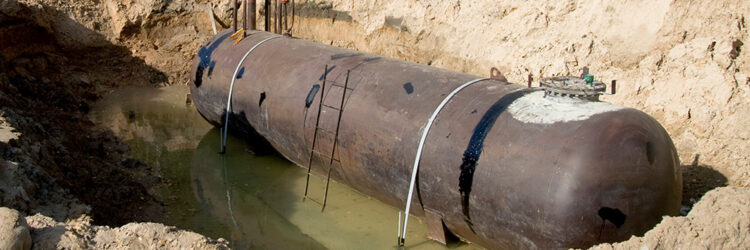
What Is Underground Storage Tank Closure?
Underground storage tank (UST) closure is the process of permanently removing a regulated underground storage tank from service or, where permitted, closing it in place in accordance with New Jersey environmental regulations. The purpose of the closure process is to determine whether the tank has leaked, prevent future environmental contamination, and ensure the property complies with applicable NJDEP requirements.
UST closure typically involves:
- Emptying and cleaning the tank
- Removing the tank from the ground or closing it in place where allowed
- Inspecting the tank and surrounding soil
- Collecting environmental samples when required
- Properly disposing of the tank and related materials
- Completing required regulatory documentation
Most commercial underground storage tanks are physically removed because removal allows for a more complete inspection of the tank and surrounding soils.
Which Underground Storage Tanks Are Subject to NJDEP Rules?
Many petroleum and hazardous substance underground storage tanks are regulated by NJDEP, although some exemptions apply. Whether a tank is regulated depends on factors such as its size, contents, and use.
Common regulated tanks include:
- Gasoline storage tanks
- Diesel fuel tanks
- Waste oil tanks
- Industrial chemical tanks
- Fleet fueling systems
- Commercial heating fuel tanks
Residential heating oil tanks and certain small-capacity systems may be subject to different requirements than regulated commercial USTs, but they still have closure requirements when permanently removed from service. (NJDEP)
Who Can Remove or Close an Underground Storage Tank?
New Jersey requires underground storage tank closures to be performed by properly certified contractors. The state has certification requirements for individuals and firms that install, test, repair, and close regulated underground storage tank systems. (NJ.gov)
Qualified contractors typically perform:
- Tank cleaning
- Product removal
- Vapor control
- Excavation
- Tank removal
- Site restoration
- Initial environmental evaluation
Using a certified contractor helps ensure the closure complies with applicable environmental and safety requirements.
Is Advance Notice Required Before Closing a Tank?
Yes. Owners or operators of regulated underground storage tanks generally must notify NJDEP before permanently closing a regulated tank. Current regulations require a Notice of Intent to Close to be submitted at least 14 calendar days before the anticipated closure date. The facility must also be properly registered before closure can begin. Local health departments and municipal agencies may also require notice. (Legal Information Institute)
Providing advance notice allows regulators to monitor compliance and, when appropriate, observe portions of the closure process.
Is Environmental Testing Required During Tank Closure?
Environmental testing is often an important part of underground storage tank closure because the surrounding soil must be evaluated for evidence of leaks or releases. The amount of testing depends on the condition of the tank, site conditions, and whether contamination is suspected.
During closure, contractors may:
- Inspect the tank for corrosion or holes
- Examine surrounding soils
- Collect soil samples
- Sample groundwater if appropriate
- Document evidence of petroleum staining or odors
If evidence of a release is discovered, the contractor must report the discharge to NJDEP as required, and additional investigation or remediation may become necessary. (NJ.gov)
When Is an LSRP Required?
Many regulated UST closures involving a discharge or remediation require the involvement of a Licensed Site Remediation Professional (LSRP). An LSRP oversees environmental investigations, coordinates remediation activities, and prepares the required regulatory documentation under New Jersey’s Site Remediation Reform Act.
An LSRP may become involved when:
- Petroleum contamination is discovered
- Soil or groundwater remediation is required
- A discharge must be investigated
- NJDEP remediation requirements apply
The LSRP works with environmental consultants, laboratories, contractors, property owners, and attorneys to move the remediation process toward completion. (NJ.gov)
What Happens If Contamination Is Found During Tank Closure?
If contamination is discovered during underground storage tank (UST) closure, New Jersey law generally requires additional investigation and, if necessary, remediation under NJDEP regulations. Finding contamination does not necessarily stop redevelopment or property transactions, but it does trigger additional environmental responsibilities.
Signs of a release may include:
- Petroleum odors
- Stained soil
- Visible product
- Corroded or damaged tanks
- Contaminated groundwater
- Laboratory results exceeding applicable standards
Depending on the circumstances, additional work may include:
- Delineating the extent of contamination
- Collecting additional soil and groundwater samples
- Preparing remediation work plans
- Removing contaminated soil
- Conducting groundwater remediation
- Long-term monitoring
Early identification of contamination often helps property owners better manage project schedules and cleanup costs.
Can an Underground Storage Tank Be Closed in Place?
In some situations, NJDEP regulations allow an underground storage tank to be closed in place rather than physically removed, but only when specific regulatory requirements are satisfied. Closure in place is generally less common than tank removal and may not be appropriate for every site.
Factors that may affect whether closure in place is allowed include:
- The condition of the tank
- Site accessibility
- Structural considerations
- Environmental conditions
- Applicable NJDEP regulations
When approved, closure in place typically requires:
- Emptying and cleaning the tank
- Removing residual product and vapors
- Filling the tank with an approved inert material
- Performing required environmental evaluations
- Completing regulatory documentation
Because every site is different, property owners should determine early in the process whether closure in place is a viable option.
What Are Common Mistakes During Underground Storage Tank Closure?
Many delays and compliance issues result from avoidable mistakes during the planning or execution of a UST closure project. Proper preparation can reduce the likelihood of enforcement actions, project delays, and unexpected remediation costs.
Common mistakes include:
- Failing to provide required notice to NJDEP
- Hiring contractors who lack the necessary certifications
- Inadequate environmental sampling
- Failing to report evidence of a discharge
- Poor documentation of closure activities
- Assuming an older tank never leaked
- Beginning redevelopment before environmental obligations are addressed
Careful planning and coordination among contractors, environmental professionals, and legal counsel can help avoid these issues.
What Are Common Misconceptions About Underground Storage Tank Closure?
Many property owners assume that removing an underground storage tank ends all environmental responsibilities. In reality, the closure process often includes environmental evaluation and, when necessary, additional remediation.
Misconception: Removing the tank automatically completes the project.
Reality: If contamination is discovered, additional investigation and cleanup may still be required.
Misconception: Older tanks rarely leak.
Reality: Corrosion, aging equipment, and historical operating practices can increase the likelihood of releases from older underground storage tanks.
Misconception: Every underground tank must be removed.
Reality: Some tanks may qualify for closure in place if permitted under applicable NJDEP regulations and site conditions.
Misconception: Environmental testing is optional.
Reality: Environmental evaluation is often a critical part of the closure process and helps determine whether a release has occurred.
Practical Example: Closing a Commercial Fuel Tank
A New Jersey business decides to permanently close a 10,000-gallon underground diesel storage tank that has served its vehicle fleet for many years.
Before beginning work, the owner:
- Retains a certified UST closure contractor.
- Provides the required notice to NJDEP.
- Coordinates the project with an environmental consultant.
During excavation, the contractor observes petroleum-stained soil beneath one end of the tank. Soil samples confirm a release.
An LSRP is retained to oversee the investigation, coordinate additional sampling, and develop a remediation strategy. Although the closure project becomes more complex, addressing the contamination promptly helps the business satisfy its environmental obligations and continue future redevelopment plans.
Key Takeaways
- Closing an underground storage tank in New Jersey requires compliance with NJDEP regulations.
- Regulated tank closures generally require advance notification and the use of certified contractors.
- Environmental testing is commonly performed during tank closure to identify potential leaks.
- If contamination is discovered, additional investigation and remediation may be required.
- Many remediation projects require the involvement of an LSRP.
- Proper planning, documentation, and regulatory compliance can help reduce delays and unexpected costs.
- Property owners should evaluate environmental obligations before beginning tank closure or redevelopment activities.
When Should You Contact an Attorney?
Property owners, businesses, and developers should consider contacting an environmental attorney before closing an underground storage tank if contamination, regulatory compliance, or redevelopment issues may affect the property. Legal guidance can help identify environmental obligations, allocate responsibility, and coordinate with technical professionals throughout the closure process.
An environmental attorney may be helpful when:
- Contamination is discovered during tank removal
- NJDEP reporting requirements are triggered
- A commercial property transaction involves an underground storage tank
- Cleanup responsibility is disputed
- Redevelopment depends on successful tank closure
- Environmental enforcement issues arise
- Contracts need to address environmental liability
UST closure projects frequently involve environmental regulations, commercial real estate issues, and technical remediation requirements that benefit from coordinated legal and environmental advice.
Underground storage tank closures can present significant environmental, regulatory, and business challenges. The Law Office of Alan S. Ashkinaze advises New Jersey property owners, developers, businesses, and investors on UST closures, NJDEP compliance, contaminated property transactions, environmental remediation, and redevelopment projects. Contact The Law Office of Alan S. Ashkinaze to discuss how underground storage tank requirements may affect your property or business.
Comments are closed for this article.