Why Are Warehouse and Logistics Projects Subject to Environmental Review?
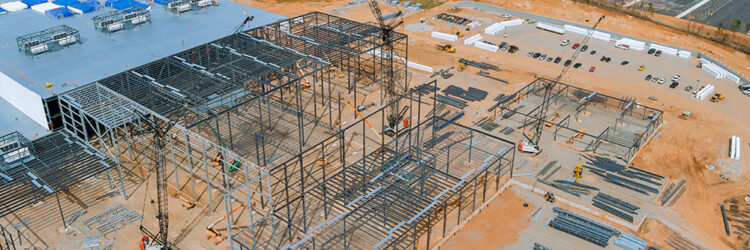
Warehouse and logistics facilities often involve large-scale site development that can trigger multiple environmental regulations. Projects typically include extensive grading, large parking areas, loading docks, utility work, and significant impervious surface coverage, all of which may require environmental review before construction begins.
Environmental review helps identify issues that could affect:
- Public health
- Water quality
- Flooding
- Wetlands
- Soil and groundwater
- Natural resources
- Regulatory compliance
Because many warehouse projects are built on former industrial or agricultural land, environmental due diligence is an important part of project planning.
What Environmental Issues Most Commonly Delay Warehouse Development?
The most common environmental delays involve contaminated property, permitting requirements, stormwater management, wetlands, flood hazard regulations, and unexpected environmental discoveries during construction. The specific issues depend on the property’s location, history, and proposed development.
Frequent causes of delays include:
- Soil contamination
- Groundwater contamination
- Underground storage tanks
- NJDEP permitting
- Stormwater compliance
- Wetlands impacts
- Flood hazard area restrictions
- Soil erosion and sediment control approvals
- Historic fill
- Endangered or threatened species habitat
Addressing these issues early allows developers to make informed decisions before construction begins.
How Can Contaminated Property Delay a Warehouse Project?
Environmental contamination is one of the most common reasons warehouse projects experience delays. Former industrial facilities, manufacturing plants, fuel storage sites, and older commercial properties may require environmental investigation before redevelopment can proceed.
Potential contamination may include:
- Petroleum products
- Solvents
- Heavy metals
- Industrial chemicals
- Historic fill
- Groundwater contamination
If contamination is identified, developers may need to:
- Complete additional environmental investigations
- Retain a Licensed Site Remediation Professional (LSRP)
- Develop remediation plans
- Coordinate with NJDEP
- Complete cleanup activities before construction can continue
The earlier contamination is identified, the easier it is to incorporate remediation into the overall project schedule.
How Do Stormwater Regulations Affect Warehouse Projects?
Warehouse developments often create large areas of roofs, pavement, and loading areas that significantly increase stormwater runoff. As a result, many projects must comply with NJDEP stormwater management requirements.
Stormwater compliance may require:
- Stormwater management plans
- Best Management Practices (BMPs)
- Detention or retention basins
- Green infrastructure
- Water quality calculations
- Long-term maintenance plans
Stormwater issues frequently require coordination between engineers, municipalities, and environmental professionals before site work begins.
Can Wetlands Delay a Warehouse Development?
Yes. Wetlands and adjacent transition areas can significantly affect the layout, design, and timing of warehouse projects. Development near regulated wetlands may require additional environmental review, permitting, or design modifications.
Potential issues include:
- Wetlands delineations
- Transition area restrictions
- Wetlands permits
- Stream encroachment considerations
- Habitat protection requirements
In some cases, relocating buildings, parking lots, or access roads may be necessary to avoid regulated environmental features.
How Do Flood Hazard Regulations Affect Industrial Development?
Flood hazard area regulations may limit where warehouse buildings, parking areas, and infrastructure can be constructed. Projects located near rivers, streams, or flood-prone areas often require additional engineering analysis and environmental approvals.
Flood hazard issues may involve:
- Building elevations
- Drainage improvements
- Flood storage calculations
- Stream crossings
- Utility installations
- Flood hazard permits
Considering flood hazard requirements during site selection can reduce costly redesigns later in the development process.
Can Endangered Species or Protected Habitat Delay a Warehouse Project?
Yes. Some warehouse and logistics developments require environmental review to determine whether construction could affect endangered or threatened species or their habitats. Depending on the property’s location, developers may need biological assessments, seasonal field surveys, or modifications to site plans before permits can be issued.
Potential concerns include:
- State-listed endangered or threatened species
- Federally protected wildlife
- Nesting areas
- Sensitive habitats
- Protected plant communities
- Riparian corridors
If protected resources are identified, agencies may require:
- Project redesign
- Construction timing restrictions
- Habitat protection measures
- Environmental mitigation
Although not every project encounters these issues, addressing them early helps reduce unexpected delays.
How Can Utility and Infrastructure Issues Affect Environmental Approvals?
Warehouse projects often require significant utility upgrades that can trigger additional environmental reviews. Water, sewer, electric, gas, telecommunications, and roadway improvements may cross environmentally regulated areas or require separate approvals.
Infrastructure work may involve:
- Utility trenching
- Stream crossings
- Culvert replacements
- Road widening
- Water main extensions
- Sewer improvements
- Electrical substations
Each component may require coordination with local, county, state, or federal agencies, making early planning essential.
How Can Developers Reduce Environmental Delays?
Developers can significantly reduce environmental delays by performing comprehensive due diligence before purchasing property or beginning construction. Identifying environmental risks early allows project teams to incorporate solutions into schedules and budgets instead of reacting to unexpected problems later.
Best practices include:
Complete Environmental Due Diligence
A thorough review may include:
-
- Phase I Environmental Site Assessments (ESAs)
- Phase II investigations when appropriate
- Historical property research
- NJDEP file reviews
- Aerial photograph analysis
Evaluate Environmental Constraints Early
Identify potential issues involving:
-
- Wetlands
- Flood hazard areas
- Contamination
- Underground storage tanks
- Historic fill
- Stormwater requirements
Coordinate the Project Team
Successful warehouse developments often involve close collaboration among:
-
- Engineers
- Environmental consultants
- Surveyors
- Land use professionals
- Licensed Site Remediation Professionals (LSRPs), when needed
- Environmental attorneys
Build Time Into the Project Schedule
Environmental permitting, remediation, and agency review frequently take longer than anticipated. Including realistic timelines can help prevent costly construction delays.
What Are Common Misconceptions About Environmental Delays?
Many developers assume environmental issues only affect former industrial properties. In reality, warehouse projects can face regulatory challenges on a wide range of sites.
Misconception: Vacant land has no environmental concerns.
Reality: Vacant properties may contain wetlands, historic fill, protected habitats, buried debris, or other environmental constraints that require evaluation.
Misconception: Environmental permitting happens after construction starts.
Reality: Many environmental approvals must be obtained before site disturbance or construction can legally begin.
Misconception: Stormwater is just an engineering issue.
Reality: Stormwater management is a significant environmental compliance requirement that often influences site design and permitting.
Misconception: Environmental reviews only delay projects.
Reality: Early environmental planning often prevents much larger delays, redesign costs, and regulatory enforcement later in the project.
Practical Example: Redeveloping a Distribution Center Site
A developer acquires a former commercial property in central New Jersey for a new logistics warehouse.
Initial due diligence identifies several environmental concerns:
- An abandoned underground storage tank
- Historic fill across portions of the site
- A regulated freshwater wetland near the rear property line
- Stormwater management upgrades required under current regulations
Rather than beginning construction immediately, the development team coordinates environmental investigations, retains an LSRP to oversee remediation, redesigns the parking layout to avoid wetland impacts, and incorporates updated stormwater controls into the engineering plans.
Although these issues require additional planning, identifying them before construction helps avoid work stoppages, redesigns, and unexpected regulatory complications.
Key Takeaways
- Warehouse and logistics projects commonly face environmental review before construction.
- Contamination, underground storage tanks, wetlands, flood hazard regulations, and stormwater compliance are among the most frequent causes of project delays.
- Utility improvements may require separate environmental approvals.
- Early environmental due diligence helps identify potential risks before acquisition or construction.
- Coordinating engineers, environmental consultants, LSRPs, and legal counsel can reduce costly delays.
- Proactive planning often results in more predictable schedules and smoother project execution.
When Should You Contact an Attorney?
Developers, property owners, and investors should consider consulting an environmental attorney early in the planning process for warehouse and logistics projects. Legal guidance can help identify environmental risks, navigate permitting requirements, negotiate contractual protections, and coordinate responses to regulatory issues that could affect project timelines.
An environmental attorney may be helpful when:
- Purchasing industrial or redevelopment property
- Contamination is suspected or discovered
- Wetlands or flood hazard regulations affect the site
- NJDEP permits are required
- Environmental cleanup obligations are uncertain
- Regulatory agencies raise compliance concerns
- Project delays could impact financing or construction schedules
Early legal involvement can help manage environmental risks before they become expensive project obstacles.
Environmental issues can significantly influence the cost, timing, and success of warehouse and logistics developments. The Law Office of Alan S. Ashkinaze advises developers, commercial property owners, investors, and businesses throughout New Jersey on environmental due diligence, NJDEP permitting, contaminated property redevelopment, regulatory compliance, and environmental enforcement. Contact The Law Office of Alan S. Ashkinaze to discuss how environmental issues may affect your next development project.
Comments are closed for this article.