Why Was the Dirty Dirt Law Passed?
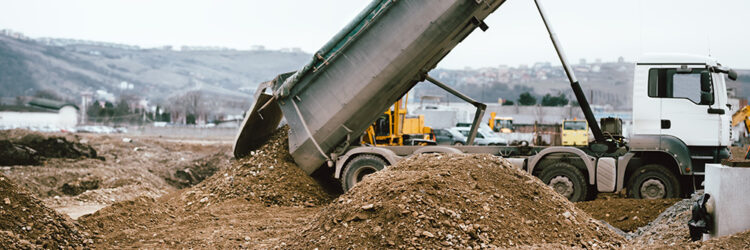
The Dirty Dirt Law was enacted to address illegal dumping, strengthen oversight of the soil and fill recycling industry, and improve accountability for businesses handling recyclable soil and fill materials. The legislation followed investigations into corruption and unlawful practices involving the movement and disposal of soil throughout New Jersey. It expanded the state’s existing A-901 licensing program—originally focused on the solid waste industry—to include many businesses providing soil and fill recycling services. (NJ.gov)
The law aims to:
- Reduce illegal dumping
- Increase transparency within the industry
- Strengthen regulatory oversight
- Protect public health and the environment
- Improve accountability for companies handling recyclable soil and fill materials
What Does the Dirty Dirt Law Regulate?
The law regulates businesses that provide “soil and fill recycling services,” a term that is defined broadly under New Jersey law. It is not limited to recycling facilities. Instead, it applies to many activities involving recyclable soil and fill materials. (NJDEP)
Covered activities may include:
- Collecting soil and fill materials
- Transporting recyclable soil
- Processing materials
- Brokering transactions
- Storing recyclable soil
- Purchasing recyclable materials
- Selling recyclable materials
- Disposing of recyclable soil and fill
Because the statutory definition is broad, businesses should carefully evaluate whether their operations fall within the law.
What Are Soil and Fill Recyclable Materials?
In general, soil and fill recyclable materials include non-putrescible soil and aggregate substitute generated through activities such as excavation, demolition, land clearing, and redevelopment that would otherwise be managed as solid waste but can be returned to productive use. The statutory definition also identifies specific exclusions, so not every type of excavated material is covered. (New Jersey Legislature)
Examples may include:
- Excavated soil
- Concrete
- Brick
- Block
- Aggregate substitute
- Mixed soil generated during redevelopment
- Demolition-derived fill materials
Whether a material qualifies depends on the applicable statute and regulations.
Which Businesses Are Affected?
Many businesses involved in construction, excavation, redevelopment, recycling, and transportation may be affected by the Dirty Dirt Law. Companies should not assume the law applies only to traditional waste haulers.
Potentially affected businesses include:
- Excavation contractors
- Site work contractors
- Demolition contractors
- Soil transport companies
- Recycling businesses
- Fill material brokers
- Developers
- Commercial trucking companies
- Companies operating soil recycling facilities
Whether a business must comply depends on the specific services it performs rather than its industry label alone.
How Does the Dirty Dirt Law Relate to A-901 Licensing?
One of the most significant changes created by the Dirty Dirt Law was expanding New Jersey’s A-901 licensing program to cover many businesses providing soil and fill recycling services. Businesses subject to the law may need to obtain a Soil and Fill Recycling License through NJDEP and satisfy extensive ownership disclosure and background investigation requirements before operating. (NJ.gov)
The licensing process may include:
- Business disclosure statements
- Ownership information
- Financial disclosures
- Personal history forms
- Fingerprinting
- Background investigations
- Ongoing reporting obligations
Because the licensing process can take considerable time, businesses should evaluate their obligations well before beginning operations.
Are There Registration Requirements?
Yes. The Dirty Dirt Law established registration requirements for businesses engaged in covered soil and fill recycling services while the full licensing program was implemented. Businesses should review current NJDEP guidance to determine which registration or licensing requirements apply to their operations. (New Jersey Legislature)
What Are the Penalties for Violating the Dirty Dirt Law?
Businesses that fail to comply with the Dirty Dirt Law may face significant regulatory consequences, including enforcement actions, civil penalties, and restrictions on operating. The specific penalties depend on the nature of the violation, whether the business was required to register or obtain an A-901 license, and other facts unique to the case. NJDEP has issued multiple compliance advisories emphasizing registration, licensing, and enforcement responsibilities for businesses engaged in soil and fill recycling services. (NJ.gov)
Potential consequences may include:
- Administrative enforcement actions
- Civil penalties
- Orders to cease unlicensed operations
- Denial, suspension, or revocation of licensing
- Delays in development or construction projects
- Increased regulatory oversight
Because violations can affect both ongoing operations and future business opportunities, companies should evaluate their compliance obligations before engaging in covered activities.
How Can Businesses Prepare for Compliance?
Businesses involved in excavation, construction, redevelopment, transportation, or soil recycling should evaluate their operations early to determine whether the Dirty Dirt Law applies. Proactive planning can reduce delays, avoid enforcement issues, and help ensure compliance with NJDEP requirements.
Helpful steps include:
Review Business Activities
Determine whether your company is involved in:
-
- Collecting soil or fill materials
- Transporting recyclable soil
- Processing fill materials
- Brokering soil transactions
- Purchasing or selling recyclable fill
- Temporary storage
- Disposal of recyclable soil and fill
The law focuses on the services performed rather than the company’s industry classification.
Determine Whether Registration or Licensing Is Required
Businesses should carefully review current NJDEP requirements to determine whether they must:
-
- Register with NJDEP
- Obtain an A-901 Soil and Fill Recycling License
- Submit ownership disclosures
- Complete background investigations
Requirements have evolved since the law’s enactment, making it important to verify current obligations. (NJ.gov)
Maintain Accurate Documentation
Good recordkeeping can assist with regulatory compliance, including:
-
- Transportation records
- Material source documentation
- Customer contracts
- Disposal records
- Business ownership information
- Environmental compliance records
Coordinate With Environmental and Legal Professionals
Projects involving soil movement often benefit from collaboration among:
-
-
- Environmental consultants
- Engineers
- Surveyors
- Licensed Site Remediation Professionals (LSRPs), when applicable
- Environmental attorneys
-
Early coordination can identify licensing issues before they affect project schedules.
What Are Common Misconceptions About the Dirty Dirt Law?
Because the law is relatively recent and applies broadly, many businesses misunderstand its requirements.
Misconception: The Dirty Dirt Law only applies to illegal dumping.
Reality: The law regulates legitimate commercial soil and fill recycling activities in addition to helping combat illegal dumping and unlawful disposal practices. (NJDEP)
Misconception: Only recycling facilities are affected.
Reality: Contractors, transporters, brokers, developers, excavation companies, and others involved in soil and fill recycling services may also be subject to the law.
Misconception: If the soil comes from my own project, the law does not apply.
Reality: For soil and fill recycling services, NJDEP states there is generally no self-generated exemption from A-901 licensing requirements. (NJDEP)
Misconception: Registration is the only requirement.
Reality: Depending on the business and its activities, companies may ultimately need full A-901 licensing, including detailed ownership disclosures and background investigations.
Practical Example: Redevelopment Contractor Managing Excavated Soil
A contractor is hired to excavate and transport large quantities of soil from a commercial redevelopment project in New Jersey.
Before moving the material, the company reviews its operations and determines that portions of its work may qualify as soil and fill recycling services under New Jersey law.
The company then:
- Reviews NJDEP guidance.
- Determines applicable registration and licensing requirements.
- Updates internal recordkeeping procedures.
- Coordinates with legal counsel regarding A-901 compliance.
- Ensures transportation and material handling activities comply with applicable regulations.
By addressing these issues before work begins, the contractor reduces the risk of enforcement actions and project delays.
Key Takeaways
- The Dirty Dirt Law expanded New Jersey’s oversight of the soil and fill recycling industry.
- Many businesses involved in collecting, transporting, processing, brokering, storing, purchasing, selling, or disposing of recyclable soil and fill may be subject to the law.
- Covered businesses may need to register with NJDEP and obtain an A-901 Soil and Fill Recycling License.
- The law was enacted to combat illegal dumping and improve accountability within the industry.
- Businesses should evaluate licensing obligations before beginning projects involving soil movement.
- Early legal and environmental planning can help reduce compliance risks and avoid delays.
When Should You Contact an Attorney?
Businesses involved in construction, excavation, redevelopment, transportation, recycling, or soil management should consider consulting an environmental attorney if their operations may be affected by the Dirty Dirt Law. Legal guidance can help determine whether the law applies, evaluate licensing obligations, prepare A-901 applications, and respond to regulatory inquiries.
An environmental attorney may be helpful when:
- A project involves transporting or recycling soil and fill materials.
- A business is unsure whether A-901 licensing is required.
- NJDEP requests additional information.
- A company is purchasing or selling a soil recycling business.
- Regulatory enforcement actions are threatened.
- Contracts allocate responsibility for excavated materials.
- Development projects involve significant soil movement.
Early legal planning can help businesses understand their obligations before regulatory issues arise.
New Jersey’s Dirty Dirt Law has changed how many construction, excavation, transportation, and recycling businesses operate. The Law Office of Alan S. Ashkinaze advises contractors, developers, waste and recycling companies, commercial property owners, and transportation businesses on A-901 licensing, NJDEP compliance, environmental permitting, regulatory enforcement, and soil and fill recycling requirements. Contact The Law Office of Alan S. Ashkinaze to discuss how the Dirty Dirt Law may affect your business or development project.
Comments are closed for this article.