 Environmental Counsel’s Role in Waste Industry Business GrowthEnvironmental counsel can play an important role in helping waste and recycling businesses manage regulatory obligations, support strategic growth, reduce legal risk, and navigate complex environmental permitting and compliance requirements.
New Jersey Waste Industry Environmental Compliance
Environmental counsel helps New Jersey waste, recycling, and hauling companies navigate permitting, maintain compliance, prepare for inspections, respond to NJDEP enforcement actions, and support business growth through proactive environmental planning.
Introduction
Waste haulers, recycling facilities, transfer stations, and other solid waste businesses operate within one of New Jersey’s most heavily regulated industries. Environmental compliance affects nearly every aspect of daily operations, from permitting and inspections to facility expansion and enforcement matters. Understanding regulatory obligations before problems arise helps companies minimize risk, reduce operational disruptions, and support long-term growth.
Successful businesses integrate environmental compliance into routine operations rather than treating it as a response to inspections or enforcement. Coordinating environmental counsel with facility managers, consultants, and operations personnel helps identify issues early and maintain productive relationships with regulatory agencies.
Understanding Environmental Compliance
Waste and recycling businesses may need to comply with a wide range of environmental requirements involving permits, inspections, waste handling, stormwater management, recordkeeping, reporting, transportation, and operational standards. As facilities expand or regulations evolve, compliance obligations can also change. Regular legal and operational reviews help businesses remain prepared while reducing unnecessary regulatory exposure.
Environmental compliance is also an important consideration during acquisitions, facility upgrades, equipment changes, and expansion projects. Identifying permit requirements and regulatory issues early often prevents costly delays.
Managing Environmental Risk
An effective compliance program includes organized documentation, employee training, internal audits, routine facility inspections, and coordination with environmental professionals. Companies should also develop procedures for responding to agency inspections, notices of violation, and changing regulatory requirements. Proactive planning frequently reduces enforcement risk while supporting continued business operations and customer confidence.
Common Misconceptions
Many businesses believe environmental compliance only becomes important after receiving an inspection notice. In reality, proactive compliance programs are typically the most effective way to reduce enforcement risk, avoid delays, and support efficient operations.
Key Takeaways
- Understand applicable environmental permits.
- Maintain complete compliance records.
- Prepare for routine inspections.
- Address regulatory issues proactively.
- Coordinate environmental counsel with technical professionals.
- Review compliance programs regularly as operations evolve.
When Should You Contact an Attorney?
Environmental counsel should be involved when obtaining permits, expanding facilities, responding to NJDEP inspections or notices of violation, evaluating compliance obligations, negotiating business transactions, or implementing long-term environmental compliance strategies.
Contact The Law Office of Alan S. Ashkinaze
The Law Office of Alan S. Ashkinaze represents waste haulers, recycling companies, transfer stations, solid waste businesses, and commercial operators throughout New Jersey in environmental permitting, regulatory compliance, NJDEP enforcement matters, and environmental risk management.
Related Articles
Environmental Counsel’s Role in Waste Industry Business GrowthEnvironmental counsel can play an important role in helping waste and recycling businesses manage regulatory obligations, support strategic growth, reduce legal risk, and navigate complex environmental permitting and compliance requirements. Expanding a Recycling Business? Environmental Permits You May NeedExpanding a recycling business in New Jersey may require additional environmental permits or modifications to existing approvals. Identifying permitting requirements early can help minimize delays and support successful project planning.
 Environmental Regulations Affecting New Jersey Waste and Recycling CompaniesWaste and recycling companies in New Jersey operate under extensive environmental regulations governing licensing, permitting, waste handling, recycling operations, reporting, and regulatory compliance. Understanding these requirements helps businesses reduce risk and maintain compliant operations.
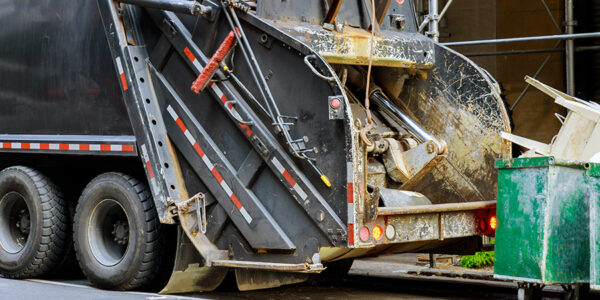 Environmental Compliance Tips for Solid Waste Transportation CompaniesSolid waste transportation companies in New Jersey must comply with numerous environmental regulations governing licensing, transportation, recordkeeping, vehicle operations, and waste handling. Strong compliance practices help reduce regulatory risk and support efficient operations.
 Managing Environmental Risks in the Waste and Recycling IndustryWaste and recycling companies in New Jersey face numerous environmental risks related to permitting, regulatory compliance, waste handling, stormwater management, hazardous materials, and operational changes. Proactive risk management can help reduce regulatory exposure and support uninterrupted operations.
 Preparing for Environmental Inspections at Recycling FacilitiesEnvironmental inspections are a routine part of operating a recycling facility in New Jersey. Preparing in advance with organized records, trained employees, and ongoing compliance practices can help facilities respond efficiently to NJDEP inspections.
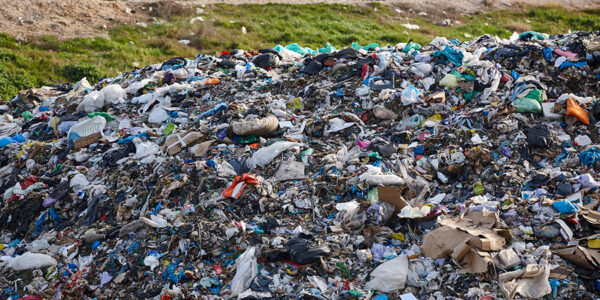 Responding to NJDEP Notices of Violation in the Recycling IndustryReceiving a Notice of Violation (NOV) from the New Jersey Department of Environmental Protection (NJDEP) can present significant legal and operational challenges for recycling companies. Understanding the process and responding appropriately can help businesses address compliance issues and reduce future risk.
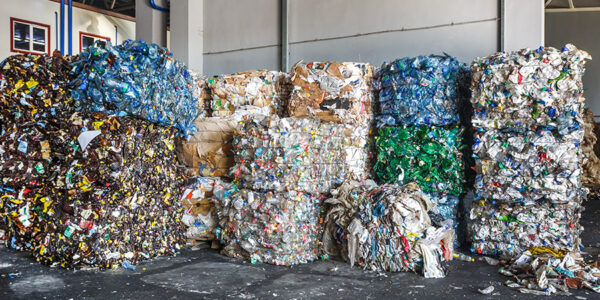 Understanding Permitting Requirements for Recycling OperationsRecycling operations in New Jersey are subject to a variety of permitting requirements depending on the type of materials handled, facility activities, and operational scope. Understanding applicable permits and maintaining compliance can help reduce delays and regulatory risk.
 Environmental Compliance Strategies for Waste Haulers and Transfer StationsWaste haulers and transfer stations in New Jersey operate under comprehensive environmental regulations governing waste handling, transportation, storage, permitting, reporting, and operational compliance. Developing proactive compliance strategies can help reduce regulatory risk and support efficient operations.
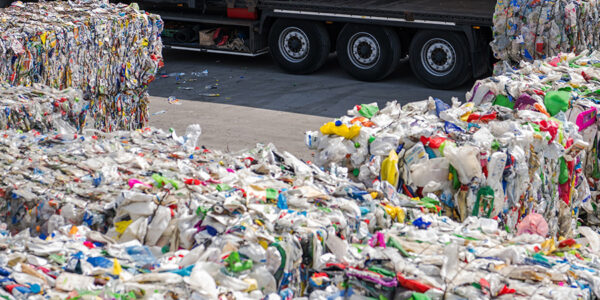 Common NJDEP Enforcement Issues Facing Recycling Facilitiesenvironmental counsel commercial property transactions New Jersey,