 Buying or Selling Industrial Property: Environmental Legal Risks to ConsiderBuying or selling industrial property in New Jersey requires careful evaluation of environmental risks. Environmental due diligence, regulatory compliance, and understanding potential liability can help buyers and sellers make informed decisions while reducing legal and financial risks.
New Jersey ISRA and Site Remediation for Commercial and Industrial Properties
ISRA requires certain industrial establishments to address environmental obligations before business transfers or closures. Early planning, environmental due diligence, coordination with an LSRP, and proactive legal guidance can reduce delays, manage liability, and support successful commercial transactions.
Introduction
The Industrial Site Recovery Act (ISRA) plays a significant role in many New Jersey business transactions involving industrial establishments. Whether buying, selling, closing, or transferring certain industrial properties, businesses may encounter remediation obligations, NJDEP requirements, environmental investigations, and coordination with Licensed Site Remediation Professionals (LSRPs). Understanding these requirements early can reduce delays, improve transaction planning, and minimize environmental risk.
ISRA compliance is often intertwined with due diligence, redevelopment planning, financing, contractual negotiations, and long-term environmental liability. Integrating legal guidance with technical expertise helps businesses move projects forward more efficiently.
Understanding ISRA and Site Remediation
ISRA establishes procedures for investigating and, when necessary, remediating environmental conditions associated with qualifying industrial establishments. Depending on the transaction, businesses may need to evaluate applicability, complete investigations, coordinate remediation activities, satisfy regulatory requirements, and document compliance before transactions can proceed.
Environmental investigations and remediation can also affect redevelopment opportunities, financing, insurance, and future property use. Beginning the process early provides greater flexibility for scheduling and negotiations.
Managing Environmental Risk
Successful ISRA planning begins with environmental due diligence, careful review of historical operations, coordination with experienced environmental consultants and LSRPs, and early legal review of transaction documents. Businesses should also evaluate environmental liability allocation, remediation schedules, regulatory obligations, and post-closing responsibilities before finalizing agreements.
Common Misconceptions
Many businesses assume ISRA applies only after contamination is discovered. In reality, ISRA obligations are triggered by specific business activities and transactions, and compliance planning often begins before environmental conditions are fully understood.
Key Takeaways
- Evaluate ISRA applicability early.
- Begin environmental due diligence before transactions.
- Coordinate legal counsel with LSRPs and consultants.
- Plan for investigations and remediation proactively.
- Address environmental liability during contract negotiations.
- Integrate remediation planning into redevelopment strategies.
When Should You Contact an Attorney?
Environmental counsel should be involved when evaluating ISRA applicability, negotiating industrial property transactions, coordinating with LSRPs, allocating environmental liability, responding to NJDEP requirements, or managing remediation and redevelopment projects.
Contact The Law Office of Alan S. Ashkinaze
The Law Office of Alan S. Ashkinaze advises buyers, sellers, developers, lenders, and industrial property owners throughout New Jersey on ISRA compliance, site remediation, environmental due diligence, NJDEP matters, and commercial real estate transactions.
Related Articles
Buying or Selling Industrial Property: Environmental Legal Risks to ConsiderBuying or selling industrial property in New Jersey requires careful evaluation of environmental risks. Environmental due diligence, regulatory compliance, and understanding potential liability can help buyers and sellers make informed decisions while reducing legal and financial risks.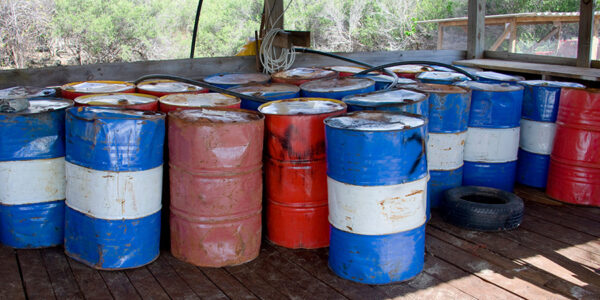 When Commercial Property Owners Should Consult Environmental CounselCommercial property owners may benefit from consulting environmental counsel before purchasing, selling, redeveloping, expanding, or leasing property, as well as when responding to NJDEP matters or addressing environmental compliance issues.
 Preventing Costly Environmental Enforcement Through Proactive ComplianceA proactive environmental compliance program can help New Jersey businesses identify regulatory obligations, address potential issues early, and reduce the risk of costly environmental enforcement actions.
 Reducing Environmental Liability for Commercial Property OwnersCommercial property owners in New Jersey can reduce environmental liability by understanding regulatory obligations, conducting environmental due diligence, maintaining compliance, and addressing environmental concerns before they become larger legal or financial issues.
 How Industrial Facilities Can Prepare for NJDEP InspectionsIndustrial facilities in New Jersey should prepare for NJDEP inspections by maintaining environmental compliance, organizing records, conducting routine internal reviews, and understanding permit requirements. Proactive preparation can help reduce regulatory issues and support efficient inspections.
 Managing Legacy Environmental Issues at Commercial PropertiesLegacy environmental issues can affect commercial property ownership, redevelopment, financing, and transactions throughout New Jersey. Identifying historical environmental conditions early and addressing regulatory obligations can help property owners manage risk and support successful redevelopment or continued operations.
 Environmental Recordkeeping Best Practices for Commercial FacilitiesAccurate environmental recordkeeping is an essential part of environmental compliance for commercial facilities in New Jersey. Maintaining organized documentation can help businesses demonstrate compliance, prepare for inspections, and reduce regulatory risk.
 Environmental Risks That Can Impact Industrial Operations and Facility ExpansionIndustrial operations and facility expansions in New Jersey may be affected by environmental regulations, permitting requirements, contamination, stormwater management, air emissions, hazardous waste obligations, and site-specific constraints. Identifying these risks early helps support efficient project planning and regulatory compliance.
 Environmental Compliance Planning for Manufacturing and Distribution FacilitiesManufacturing and distribution facilities in New Jersey benefit from proactive environmental compliance planning. Identifying permit requirements, maintaining compliance programs, and preparing for regulatory obligations can help reduce operational risks and support long-term business growth.
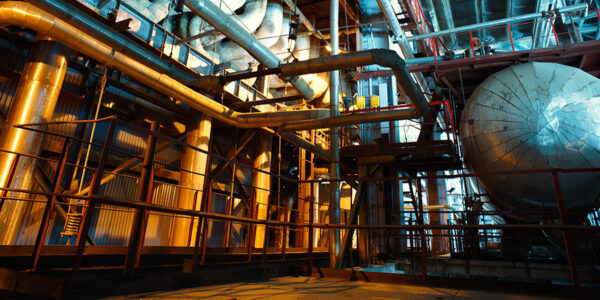 Environmental Compliance Requirements Every New Jersey Industrial Property Owner Should KnowIndustrial property owners in New Jersey are subject to a wide range of environmental compliance requirements that govern air emissions, water discharges, hazardous waste, stormwater, site conditions, and regulatory reporting. Understanding these obligations can help businesses reduce risk, avoid enforcement actions, and maintain regulatory compliance.