 Responding to Environmental Enforcement Actions in New JerseyEnvironmental enforcement actions by the New Jersey Department of Environmental Protection (NJDEP) can expose commercial and industrial businesses to significant legal, financial, and operational risks. Prompt, informed action can help businesses address regulatory concerns and work toward an effective resolution.
New Jersey NJDEP and USEPA Enforcement Matters
Businesses facing NJDEP or USEPA enforcement actions should respond promptly, preserve relevant records, understand applicable regulatory obligations, and coordinate legal and technical professionals early. Proactive compliance and experienced environmental counsel can help reduce regulatory exposure and resolve enforcement matters more efficiently.
Introduction
Environmental enforcement actions can disrupt business operations, delay projects, and expose companies to significant financial and regulatory risk. Whether a business receives a Notice of Violation, becomes the subject of an NJDEP investigation, or must respond to a USEPA administrative order, understanding the enforcement process is critical. Early preparation, organized documentation, and experienced legal guidance often improve a company’s ability to respond effectively while protecting its business interests.
Most enforcement matters begin long before formal penalties are imposed. Routine inspections, compliance reviews, citizen complaints, permit reporting, and agency investigations can all lead to additional scrutiny. Businesses that maintain strong compliance programs are generally better positioned to respond when regulators raise concerns.
Understanding Environmental Enforcement
NJDEP and USEPA have broad authority to investigate potential environmental violations involving permitting, waste management, air emissions, water discharges, remediation, hazardous materials, stormwater, and other environmental programs. Enforcement may include inspections, information requests, Notices of Violation, administrative orders, negotiated settlements, civil penalties, or additional corrective actions.
The appropriate response depends on the facts of each matter. Businesses should evaluate the alleged violations, preserve documentation, communicate carefully with regulators, and develop a strategy that addresses both immediate concerns and long-term compliance.
Reducing Enforcement Risk
The most effective enforcement strategy begins before an investigation occurs. Regular compliance audits, employee training, organized recordkeeping, permit reviews, internal reporting procedures, and periodic legal reviews help identify issues before regulators do. When concerns are discovered internally, businesses may have opportunities to correct deficiencies, strengthen compliance programs, and reduce future regulatory exposure.
Common Misconceptions
Receiving an inspection, inquiry, or Notice of Violation does not automatically mean a business will face the maximum available penalties. Many enforcement matters involve fact gathering, corrective actions, negotiations, and ongoing compliance efforts before they are resolved.
Key Takeaways
- Respond promptly to regulatory communications.
- Preserve records and documentation.
- Understand applicable permit and compliance obligations.
- Conduct proactive compliance reviews.
- Coordinate legal and technical professionals early.
- Develop long-term compliance strategies to reduce future enforcement risk.
When Should You Contact an Attorney?
Environmental counsel should be involved immediately after receiving a Notice of Violation, administrative order, subpoena, inspection request, or other regulatory communication from NJDEP or USEPA. Legal guidance is also valuable during investigations, penalty negotiations, compliance audits, and self-disclosure evaluations.
Contact The Law Office of Alan S. Ashkinaze
The Law Office of Alan S. Ashkinaze represents commercial and industrial businesses throughout New Jersey in NJDEP investigations, USEPA enforcement matters, regulatory compliance, environmental litigation, penalty negotiations, and long-term environmental risk management.
Related Articles
Responding to Environmental Enforcement Actions in New JerseyEnvironmental enforcement actions by the New Jersey Department of Environmental Protection (NJDEP) can expose commercial and industrial businesses to significant legal, financial, and operational risks. Prompt, informed action can help businesses address regulatory concerns and work toward an effective resolution. When to Involve Environmental Counsel During Regulatory InvestigationsRegulatory investigations by the NJDEP or USEPA can create significant legal and operational challenges for commercial businesses. Involving experienced environmental counsel early can help businesses understand their obligations, protect their interests, and respond effectively.
 Negotiating Environmental Penalties and Compliance AgreementsBusinesses facing environmental enforcement actions may have opportunities to resolve disputes through negotiated penalties, compliance agreements, or other administrative processes. Understanding the process can help organizations make informed decisions while addressing regulatory obligations.
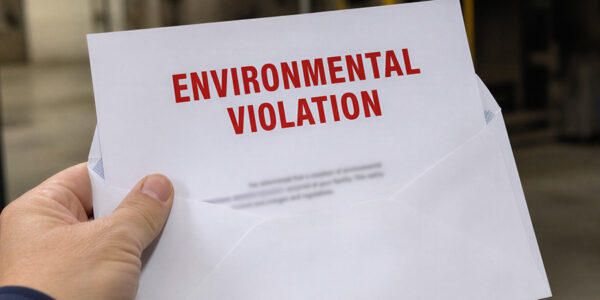 What to Do If You Receive an NJDEP Notice of ViolationReceiving a Notice of Violation (NOV) from the New Jersey Department of Environmental Protection (NJDEP) can be a serious matter for commercial and industrial businesses. A timely, organized response may help reduce regulatory risk and support a more efficient resolution.
 How Businesses Can Reduce Exposure During NJDEP InvestigationsNJDEP investigations can present significant legal and operational challenges for commercial businesses. Preparing in advance and responding appropriately can help reduce regulatory exposure while supporting ongoing compliance efforts.
 Common Reasons Businesses Face Environmental Enforcement ActionsCommercial and industrial businesses may face environmental enforcement actions for a variety of compliance issues. Understanding common enforcement triggers can help organizations strengthen compliance programs and reduce regulatory risk.
 Understanding Administrative Orders from NJDEP and USEPAAdministrative orders issued by the New Jersey Department of Environmental Protection (NJDEP) or the U.S. Environmental Protection Agency (USEPA) can have significant consequences for commercial and industrial businesses. Understanding what these orders require is an important part of managing environmental compliance.
 Preparing for Environmental Compliance InspectionsEnvironmental compliance inspections are a routine part of regulatory oversight for many commercial and industrial facilities in New Jersey. Proper preparation can help businesses demonstrate compliance and reduce unnecessary disruptions.
 Self-Disclosure and Environmental Compliance: Does It Reduce Penalties?Businesses that discover potential environmental compliance issues often ask whether voluntarily disclosing those issues can affect regulatory outcomes. Understanding self-disclosure policies and responding appropriately may help organizations make informed compliance decisions.
 Environmental Enforcement Defense Strategies for Commercial BusinessesCommercial and industrial businesses facing environmental enforcement actions should respond strategically and promptly. Understanding the enforcement process and developing an organized defense strategy can help reduce regulatory risk and support a favorable resolution.