
Skip to Main Content

General NJ Environmental Law Resources

What Is an LSRP and When Is One Required in New Jersey?

A Licensed Site Remediation Professional (LSRP) is a New Jersey-licensed environmental professional responsible for overseeing the investigation and cleanup of contaminated properties under the state's Site Remediation Reform Act (SRRA). An LSRP is required for many remediation projects and plays a central role in helping property owners, businesses, and developers comply with NJDEP site remediation requirements.

Read More


What Are the Most Common NJDEP Violations for Industrial Facilities in New Jersey?

Industrial facilities in New Jersey can face NJDEP violations for a wide range of environmental compliance issues, including stormwater permit violations, hazardous waste management, air emissions, water discharges, underground storage tanks, and recordkeeping deficiencies. Understanding these common violations can help businesses reduce regulatory risks, avoid enforcement actions, and maintain compliance with New Jersey environmental laws.

Read More

What Should Buyers Do Before Buying Contaminated Commercial Property in New Jersey?

Before purchasing contaminated commercial property in New Jersey, buyers should conduct thorough environmental due diligence, evaluate potential cleanup obligations, review NJDEP records, and understand how contamination could affect financing, redevelopment, and future liability. Identifying environmental risks early can help buyers make informed decisions and avoid costly surprises after closing.

Read More

Can NJDEP Stop or Delay a Redevelopment Project in New Jersey?

NJDEP can delay or, in certain circumstances, prevent a redevelopment project from moving forward if environmental requirements are not satisfied. Delays may result from contamination concerns, permit issues, regulatory violations, wetlands restrictions, stormwater requirements, or failure to complete required environmental reviews. Proper planning and early compliance evaluation can help reduce redevelopment delays.

Read More

How Do NJDEP Enforcement Actions Typically Get Resolved?

NJDEP enforcement actions are typically resolved through a combination of investigation, communication with regulators, corrective actions, negotiated agreements, penalties, and ongoing compliance requirements. The resolution process depends on the type of violation, environmental impact, cooperation of the regulated party, and applicable New Jersey environmental regulations.

Read More

Who Is Liable for Historic Environmental Contamination in New Jersey?

Liability for historic environmental contamination in New Jersey depends on factors such as property ownership history, business operations, environmental laws, and responsibility for the release. A current property owner may face obligations even if they did not cause the contamination. Understanding potential liability before purchasing or redeveloping contaminated property is essential.

Read More

What Happens if Underground Storage Tanks Are Discovered During Redevelopment?

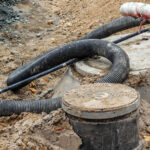
Discovering underground storage tanks during redevelopment in New Jersey can create environmental, regulatory, and construction challenges. Property owners and developers may need to investigate the tanks, determine whether contamination exists, notify the appropriate agencies, and complete required remediation before continuing construction. Proper planning can help prevent costly delays and unexpected cleanup obligations.

Read More

How Can Environmental Contamination Delay a Commercial Real Estate Closing in New Jersey?

Environmental contamination can delay a commercial real estate closing in New Jersey by creating regulatory requirements, unexpected cleanup costs, financing concerns, and uncertainty between buyers and sellers. Contaminated soil, groundwater issues, underground storage tanks, and historic industrial uses may require investigation, remediation, or NJDEP involvement before a transaction can move forward.

Read More

What Triggers ISRA Compliance in New Jersey?

The Industrial Site Recovery Act (ISRA) is a New Jersey environmental law that may require certain industrial businesses to complete environmental reviews and, if necessary, remediation before closing, selling, or transferring operations. ISRA compliance is generally triggered by events such as the sale of an industrial establishment, cessation of operations, or certain changes in ownership or business activities.

Read More