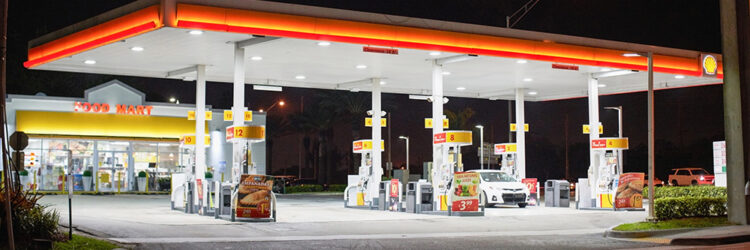
Existing USTs may present operational, regulatory, and environmental considerations that affect a property’s value and future use. Early planning and thorough due diligence can reduce unexpected costs and transaction delays.
Why are USTs important during a property purchase?
Underground storage tanks may be subject to registration, inspection, maintenance, leak detection, closure, and corrective action requirements. Buyers should understand the property’s compliance history and any known environmental conditions before completing the transaction.
What should buyers review?
Evaluate historical environmental reports, tank registrations, inspection records, maintenance logs, release history, remediation status, permits, and any outstanding NJDEP requirements that could affect ownership or redevelopment plans.
How can buyers reduce environmental risk?
Conduct appropriate environmental due diligence, engage qualified environmental professionals, review contractual risk allocation provisions, and coordinate with environmental counsel before finalizing the purchase.
Common misconceptions
The existence of a UST does not automatically mean contamination is present. However, every property should be evaluated to determine compliance status and identify potential environmental liabilities.
Key Takeaways
- Perform environmental due diligence early.
- Review UST compliance records.
- Evaluate potential remediation obligations.
- Coordinate legal and technical professionals.
- Address environmental risks before closing.
When should you contact an attorney?
Consult an environmental attorney before purchasing commercial property with underground storage tanks, negotiating environmental provisions, evaluating liability, or addressing NJDEP compliance or remediation issues.
Contact The Law Office of Alan S. Ashkinaze
The Law Office of Alan S. Ashkinaze advises buyers, sellers, developers, lenders, and commercial property owners throughout New Jersey on environmental due diligence, underground storage tank compliance, site remediation, and commercial real estate transactions.
Comments are closed for this article.