Skip to Main Content
Blog
 Buying or Selling Industrial Property: Environmental Legal Risks to Consider
Buying or selling industrial property in New Jersey requires careful evaluation of environmental risks. Environmental due diligence, regulatory compliance, and understanding potential liability can help buyers and sellers make informed decisions while reducing legal and financial risks.
Buying or Selling Industrial Property: Environmental Legal Risks to Consider
Buying or selling industrial property in New Jersey requires careful evaluation of environmental risks. Environmental due diligence, regulatory compliance, and understanding potential liability can help buyers and sellers make informed decisions while reducing legal and financial risks.
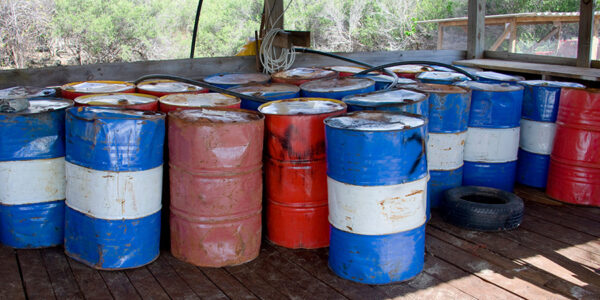 When Commercial Property Owners Should Consult Environmental Counsel
Commercial property owners may benefit from consulting environmental counsel before purchasing, selling, redeveloping, expanding, or leasing property, as well as when responding to NJDEP matters or addressing environmental compliance issues.
When Commercial Property Owners Should Consult Environmental Counsel
Commercial property owners may benefit from consulting environmental counsel before purchasing, selling, redeveloping, expanding, or leasing property, as well as when responding to NJDEP matters or addressing environmental compliance issues.
 Preventing Costly Environmental Enforcement Through Proactive Compliance
A proactive environmental compliance program can help New Jersey businesses identify regulatory obligations, address potential issues early, and reduce the risk of costly environmental enforcement actions.
Preventing Costly Environmental Enforcement Through Proactive Compliance
A proactive environmental compliance program can help New Jersey businesses identify regulatory obligations, address potential issues early, and reduce the risk of costly environmental enforcement actions.
 Reducing Environmental Liability for Commercial Property Owners
Commercial property owners in New Jersey can reduce environmental liability by understanding regulatory obligations, conducting environmental due diligence, maintaining compliance, and addressing environmental concerns before they become larger legal or financial issues.
Reducing Environmental Liability for Commercial Property Owners
Commercial property owners in New Jersey can reduce environmental liability by understanding regulatory obligations, conducting environmental due diligence, maintaining compliance, and addressing environmental concerns before they become larger legal or financial issues.
 How Industrial Facilities Can Prepare for NJDEP Inspections
Industrial facilities in New Jersey should prepare for NJDEP inspections by maintaining environmental compliance, organizing records, conducting routine internal reviews, and understanding permit requirements. Proactive preparation can help reduce regulatory issues and support efficient inspections.
How Industrial Facilities Can Prepare for NJDEP Inspections
Industrial facilities in New Jersey should prepare for NJDEP inspections by maintaining environmental compliance, organizing records, conducting routine internal reviews, and understanding permit requirements. Proactive preparation can help reduce regulatory issues and support efficient inspections.
 Managing Legacy Environmental Issues at Commercial Properties
Legacy environmental issues can affect commercial property ownership, redevelopment, financing, and transactions throughout New Jersey. Identifying historical environmental conditions early and addressing regulatory obligations can help property owners manage risk and support successful redevelopment or continued operations.
Managing Legacy Environmental Issues at Commercial Properties
Legacy environmental issues can affect commercial property ownership, redevelopment, financing, and transactions throughout New Jersey. Identifying historical environmental conditions early and addressing regulatory obligations can help property owners manage risk and support successful redevelopment or continued operations.
 Environmental Recordkeeping Best Practices for Commercial Facilities
Accurate environmental recordkeeping is an essential part of environmental compliance for commercial facilities in New Jersey. Maintaining organized documentation can help businesses demonstrate compliance, prepare for inspections, and reduce regulatory risk.
Environmental Recordkeeping Best Practices for Commercial Facilities
Accurate environmental recordkeeping is an essential part of environmental compliance for commercial facilities in New Jersey. Maintaining organized documentation can help businesses demonstrate compliance, prepare for inspections, and reduce regulatory risk.
 Environmental Risks That Can Impact Industrial Operations and Facility Expansion
Industrial operations and facility expansions in New Jersey may be affected by environmental regulations, permitting requirements, contamination, stormwater management, air emissions, hazardous waste obligations, and site-specific constraints. Identifying these risks early helps support efficient project planning and regulatory compliance.
Environmental Risks That Can Impact Industrial Operations and Facility Expansion
Industrial operations and facility expansions in New Jersey may be affected by environmental regulations, permitting requirements, contamination, stormwater management, air emissions, hazardous waste obligations, and site-specific constraints. Identifying these risks early helps support efficient project planning and regulatory compliance.
 Environmental Compliance Planning for Manufacturing and Distribution Facilities
Manufacturing and distribution facilities in New Jersey benefit from proactive environmental compliance planning. Identifying permit requirements, maintaining compliance programs, and preparing for regulatory obligations can help reduce operational risks and support long-term business growth.
Environmental Compliance Planning for Manufacturing and Distribution Facilities
Manufacturing and distribution facilities in New Jersey benefit from proactive environmental compliance planning. Identifying permit requirements, maintaining compliance programs, and preparing for regulatory obligations can help reduce operational risks and support long-term business growth.
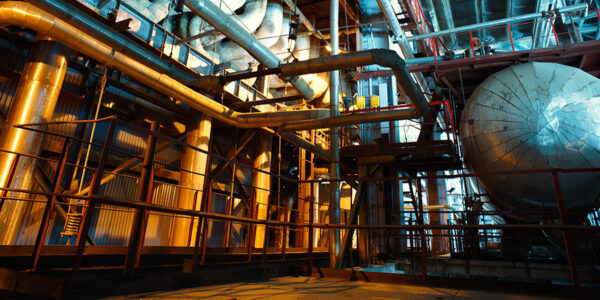 Environmental Compliance Requirements Every New Jersey Industrial Property Owner Should Know
Industrial property owners in New Jersey are subject to a wide range of environmental compliance requirements that govern air emissions, water discharges, hazardous waste, stormwater, site conditions, and regulatory reporting. Understanding these obligations can help businesses reduce risk, avoid enforcement actions, and maintain regulatory compliance.
Environmental Compliance Requirements Every New Jersey Industrial Property Owner Should Know
Industrial property owners in New Jersey are subject to a wide range of environmental compliance requirements that govern air emissions, water discharges, hazardous waste, stormwater, site conditions, and regulatory reporting. Understanding these obligations can help businesses reduce risk, avoid enforcement actions, and maintain regulatory compliance.
 Environmental Compliance Programs That Reduce Regulatory Risk
A well-designed environmental compliance program can help New Jersey businesses reduce regulatory risk, improve operational consistency, and identify potential compliance issues before they become enforcement matters.
Environmental Compliance Programs That Reduce Regulatory Risk
A well-designed environmental compliance program can help New Jersey businesses reduce regulatory risk, improve operational consistency, and identify potential compliance issues before they become enforcement matters.
 Navigating NJDEP Environmental Permitting for Commercial Projects
Commercial development and expansion projects in New Jersey often require environmental permits from the New Jersey Department of Environmental Protection (NJDEP). Understanding the permitting process early can help reduce delays and support successful project completion.
Navigating NJDEP Environmental Permitting for Commercial Projects
Commercial development and expansion projects in New Jersey often require environmental permits from the New Jersey Department of Environmental Protection (NJDEP). Understanding the permitting process early can help reduce delays and support successful project completion.