Skip to Main Content
Blog
 Understanding ISRA Requirements for New Jersey Business Transactions
The Industrial Site Recovery Act (ISRA) can significantly affect certain business sales, transfers, and operational changes in New Jersey. Understanding whether ISRA applies early in a transaction can help avoid delays and support a smoother closing process.
Understanding ISRA Requirements for New Jersey Business Transactions
The Industrial Site Recovery Act (ISRA) can significantly affect certain business sales, transfers, and operational changes in New Jersey. Understanding whether ISRA applies early in a transaction can help avoid delays and support a smoother closing process.
 Redevelopment Opportunities Following Environmental Remediation
Environmental remediation can create opportunities to return underutilized commercial and industrial properties to productive use. Understanding the redevelopment process helps businesses, developers, and investors plan projects while addressing environmental obligations.
Redevelopment Opportunities Following Environmental Remediation
Environmental remediation can create opportunities to return underutilized commercial and industrial properties to productive use. Understanding the redevelopment process helps businesses, developers, and investors plan projects while addressing environmental obligations.
 Managing Environmental Risk Through Early ISRA Planning
Early ISRA planning helps businesses identify environmental obligations before they become costly obstacles. Proactive planning can reduce transaction delays, improve project coordination, and better manage environmental risk during business and real estate transactions.
Managing Environmental Risk Through Early ISRA Planning
Early ISRA planning helps businesses identify environmental obligations before they become costly obstacles. Proactive planning can reduce transaction delays, improve project coordination, and better manage environmental risk during business and real estate transactions.
 Common ISRA Compliance Mistakes That Increase Project Costs
Mistakes made during ISRA compliance can increase project costs, delay transactions, and complicate redevelopment efforts. Identifying common pitfalls early helps businesses better manage environmental obligations and project timelines.
Common ISRA Compliance Mistakes That Increase Project Costs
Mistakes made during ISRA compliance can increase project costs, delay transactions, and complicate redevelopment efforts. Identifying common pitfalls early helps businesses better manage environmental obligations and project timelines.
 ISRA Compliance Checklist for Industrial Property Owners
The Industrial Site Recovery Act (ISRA) can impose significant environmental obligations on certain industrial property owners and businesses in New Jersey. A proactive compliance checklist can help identify potential issues early and support smoother business transactions.
ISRA Compliance Checklist for Industrial Property Owners
The Industrial Site Recovery Act (ISRA) can impose significant environmental obligations on certain industrial property owners and businesses in New Jersey. A proactive compliance checklist can help identify potential issues early and support smoother business transactions.
 Avoiding Delays During ISRA Site Closures
ISRA site closures can significantly affect business transactions and facility shutdowns in New Jersey. Identifying ISRA obligations early and coordinating the required environmental work can help reduce unnecessary delays and keep projects moving forward.
Avoiding Delays During ISRA Site Closures
ISRA site closures can significantly affect business transactions and facility shutdowns in New Jersey. Identifying ISRA obligations early and coordinating the required environmental work can help reduce unnecessary delays and keep projects moving forward.
 Responding to Environmental Enforcement Actions in New Jersey
Environmental enforcement actions by the New Jersey Department of Environmental Protection (NJDEP) can expose commercial and industrial businesses to significant legal, financial, and operational risks. Prompt, informed action can help businesses address regulatory concerns and work toward an effective resolution.
Responding to Environmental Enforcement Actions in New Jersey
Environmental enforcement actions by the New Jersey Department of Environmental Protection (NJDEP) can expose commercial and industrial businesses to significant legal, financial, and operational risks. Prompt, informed action can help businesses address regulatory concerns and work toward an effective resolution.
 When to Involve Environmental Counsel During Regulatory Investigations
Regulatory investigations by the NJDEP or USEPA can create significant legal and operational challenges for commercial businesses. Involving experienced environmental counsel early can help businesses understand their obligations, protect their interests, and respond effectively.
When to Involve Environmental Counsel During Regulatory Investigations
Regulatory investigations by the NJDEP or USEPA can create significant legal and operational challenges for commercial businesses. Involving experienced environmental counsel early can help businesses understand their obligations, protect their interests, and respond effectively.
 Negotiating Environmental Penalties and Compliance Agreements
Businesses facing environmental enforcement actions may have opportunities to resolve disputes through negotiated penalties, compliance agreements, or other administrative processes. Understanding the process can help organizations make informed decisions while addressing regulatory obligations.
Negotiating Environmental Penalties and Compliance Agreements
Businesses facing environmental enforcement actions may have opportunities to resolve disputes through negotiated penalties, compliance agreements, or other administrative processes. Understanding the process can help organizations make informed decisions while addressing regulatory obligations.
 What to Do If You Receive an NJDEP Notice of Violation
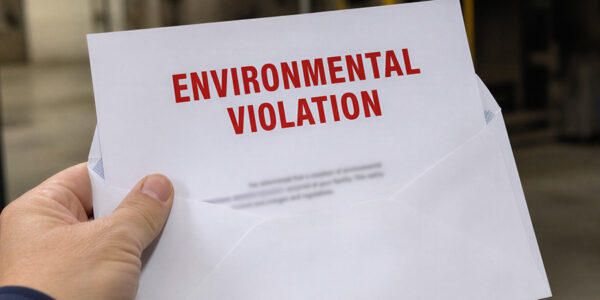
Receiving a Notice of Violation (NOV) from the New Jersey Department of Environmental Protection (NJDEP) can be a serious matter for commercial and industrial businesses. A timely, organized response may help reduce regulatory risk and support a more efficient resolution.
What to Do If You Receive an NJDEP Notice of Violation
Receiving a Notice of Violation (NOV) from the New Jersey Department of Environmental Protection (NJDEP) can be a serious matter for commercial and industrial businesses. A timely, organized response may help reduce regulatory risk and support a more efficient resolution.
 How Businesses Can Reduce Exposure During NJDEP Investigations
NJDEP investigations can present significant legal and operational challenges for commercial businesses. Preparing in advance and responding appropriately can help reduce regulatory exposure while supporting ongoing compliance efforts.
How Businesses Can Reduce Exposure During NJDEP Investigations
NJDEP investigations can present significant legal and operational challenges for commercial businesses. Preparing in advance and responding appropriately can help reduce regulatory exposure while supporting ongoing compliance efforts.
 Common Reasons Businesses Face Environmental Enforcement Actions
Commercial and industrial businesses may face environmental enforcement actions for a variety of compliance issues. Understanding common enforcement triggers can help organizations strengthen compliance programs and reduce regulatory risk.
Common Reasons Businesses Face Environmental Enforcement Actions
Commercial and industrial businesses may face environmental enforcement actions for a variety of compliance issues. Understanding common enforcement triggers can help organizations strengthen compliance programs and reduce regulatory risk.