Skip to Main Content
Blog
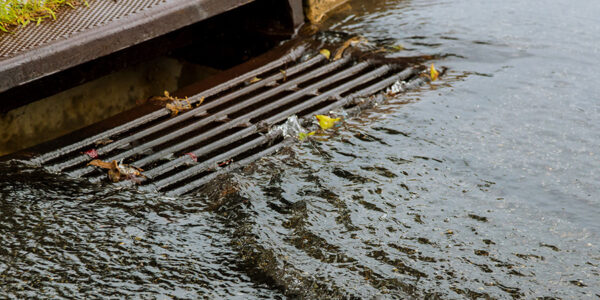 Stormwater Pollution Prevention Plans: What Businesses Need to Know
Many commercial and industrial facilities in New Jersey must prepare and maintain Stormwater Pollution Prevention Plans (SWPPPs) as part of their environmental compliance obligations. Understanding these plans can help businesses reduce regulatory risk and support ongoing compliance.
Stormwater Pollution Prevention Plans: What Businesses Need to Know
Many commercial and industrial facilities in New Jersey must prepare and maintain Stormwater Pollution Prevention Plans (SWPPPs) as part of their environmental compliance obligations. Understanding these plans can help businesses reduce regulatory risk and support ongoing compliance.
 Common NJPDES Inspection Findings and How to Prevent Them
NJPDES inspections frequently identify recurring compliance issues involving permits, documentation, inspections, and stormwater management practices. Understanding these common findings can help businesses strengthen their compliance programs and reduce regulatory risk.
Common NJPDES Inspection Findings and How to Prevent Them
NJPDES inspections frequently identify recurring compliance issues involving permits, documentation, inspections, and stormwater management practices. Understanding these common findings can help businesses strengthen their compliance programs and reduce regulatory risk.
 UST Release Reporting Requirements for Commercial Property Owners
Commercial property owners with underground storage tanks should understand the reporting obligations that may arise when a suspected or confirmed release occurs. Prompt action and proper coordination can help reduce regulatory risk and support compliance.
UST Release Reporting Requirements for Commercial Property Owners
Commercial property owners with underground storage tanks should understand the reporting obligations that may arise when a suspected or confirmed release occurs. Prompt action and proper coordination can help reduce regulatory risk and support compliance.
 Buying Commercial Property with Existing Underground Storage Tanks
Purchasing commercial property with existing underground storage tanks (USTs) requires careful environmental due diligence. Understanding potential regulatory obligations and environmental risks can help buyers make informed decisions before closing.
Buying Commercial Property with Existing Underground Storage Tanks
Purchasing commercial property with existing underground storage tanks (USTs) requires careful environmental due diligence. Understanding potential regulatory obligations and environmental risks can help buyers make informed decisions before closing.
 Best Practices for Underground Storage Tank Recordkeeping
Maintaining complete underground storage tank (UST) records is a critical part of environmental compliance. Organized documentation can simplify inspections, support regulatory compliance, and reduce operational risk.
Best Practices for Underground Storage Tank Recordkeeping
Maintaining complete underground storage tank (UST) records is a critical part of environmental compliance. Organized documentation can simplify inspections, support regulatory compliance, and reduce operational risk.
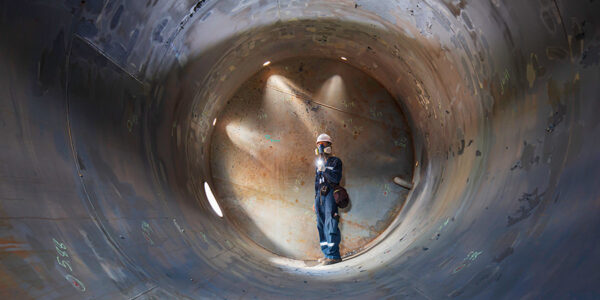 Common Compliance Issues During UST Inspections
Routine underground storage tank (UST) inspections can identify compliance deficiencies before they become costly enforcement matters. Understanding common inspection issues helps businesses strengthen compliance programs and reduce environmental risk.
Common Compliance Issues During UST Inspections
Routine underground storage tank (UST) inspections can identify compliance deficiencies before they become costly enforcement matters. Understanding common inspection issues helps businesses strengthen compliance programs and reduce environmental risk.
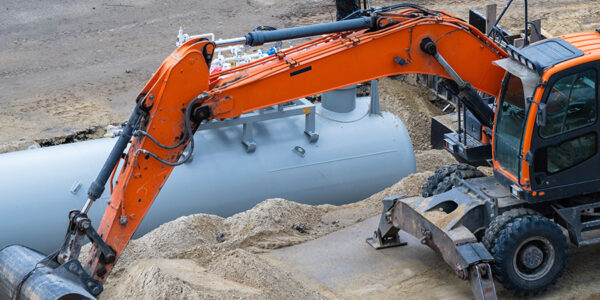 Environmental Compliance Requirements for Underground Storage Tanks in New Jersey
Businesses that own or operate underground storage tanks (USTs) in New Jersey must comply with numerous environmental requirements governing installation, operation, maintenance, monitoring, closure, and corrective action. Understanding these obligations helps reduce regulatory risk.
Environmental Compliance Requirements for Underground Storage Tanks in New Jersey
Businesses that own or operate underground storage tanks (USTs) in New Jersey must comply with numerous environmental requirements governing installation, operation, maintenance, monitoring, closure, and corrective action. Understanding these obligations helps reduce regulatory risk.
 Environmental Liability Associated with Aging Underground Storage Tanks
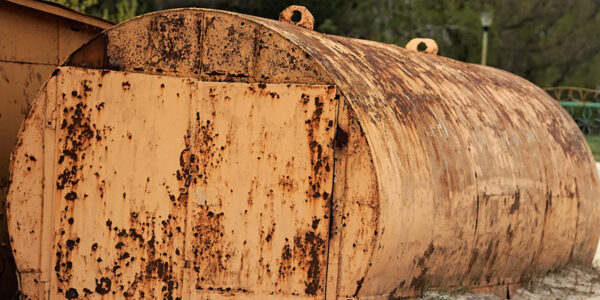
Older underground storage tanks (USTs) may present increased environmental and regulatory concerns. Understanding potential liabilities and planning proactively can help businesses reduce risk and maintain compliance with applicable New Jersey requirements.
Environmental Liability Associated with Aging Underground Storage Tanks
Older underground storage tanks (USTs) may present increased environmental and regulatory concerns. Understanding potential liabilities and planning proactively can help businesses reduce risk and maintain compliance with applicable New Jersey requirements.
 Managing Environmental Cleanup Following Petroleum Releases
Petroleum releases can result in significant environmental, operational, and regulatory challenges. Understanding the cleanup process helps commercial property owners and businesses prepare for remediation while reducing compliance risks.
Managing Environmental Cleanup Following Petroleum Releases
Petroleum releases can result in significant environmental, operational, and regulatory challenges. Understanding the cleanup process helps commercial property owners and businesses prepare for remediation while reducing compliance risks.
 Underground Storage Tank Closure Requirements in New Jersey
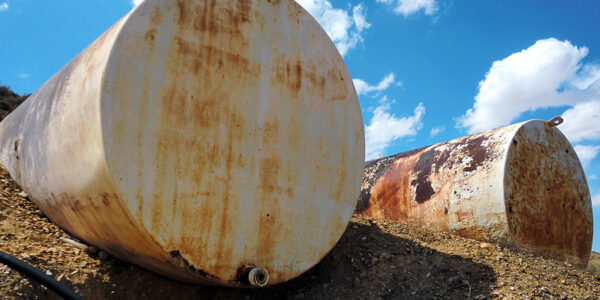
Closing an underground storage tank (UST) in New Jersey involves environmental, technical, and regulatory requirements. Proper planning helps businesses reduce liability, comply with NJDEP requirements, and prepare sites for future use.
Underground Storage Tank Closure Requirements in New Jersey
Closing an underground storage tank (UST) in New Jersey involves environmental, technical, and regulatory requirements. Proper planning helps businesses reduce liability, comply with NJDEP requirements, and prepare sites for future use.
 What Happens When an Underground Storage Tank Leak Is Discovered?
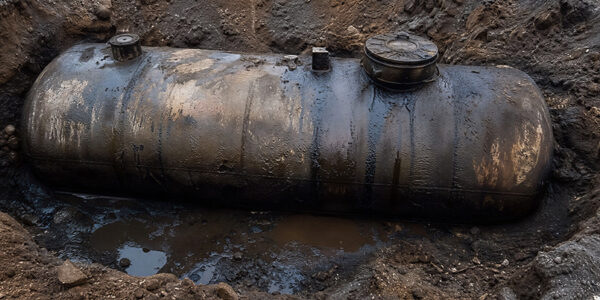
A leak from an underground storage tank (UST) can trigger environmental, regulatory, and business concerns. Understanding the general response process can help businesses act quickly, reduce risk, and comply with applicable New Jersey requirements.
What Happens When an Underground Storage Tank Leak Is Discovered?
A leak from an underground storage tank (UST) can trigger environmental, regulatory, and business concerns. Understanding the general response process can help businesses act quickly, reduce risk, and comply with applicable New Jersey requirements.
 When Environmental Counsel Should Be Involved in UST Matters
Underground storage tank (UST) issues often involve technical, regulatory, and business considerations. Involving environmental counsel at the appropriate stage can help businesses evaluate obligations, manage risk, and coordinate compliance efforts.
When Environmental Counsel Should Be Involved in UST Matters
Underground storage tank (UST) issues often involve technical, regulatory, and business considerations. Involving environmental counsel at the appropriate stage can help businesses evaluate obligations, manage risk, and coordinate compliance efforts.