Skip to Main Content
Blog
 Environmental Counsel’s Role in Waste Industry Business Growth
Environmental counsel can play an important role in helping waste and recycling businesses manage regulatory obligations, support strategic growth, reduce legal risk, and navigate complex environmental permitting and compliance requirements.
Environmental Counsel’s Role in Waste Industry Business Growth
Environmental counsel can play an important role in helping waste and recycling businesses manage regulatory obligations, support strategic growth, reduce legal risk, and navigate complex environmental permitting and compliance requirements.
 Expanding a Recycling Business? Environmental Permits You May Need
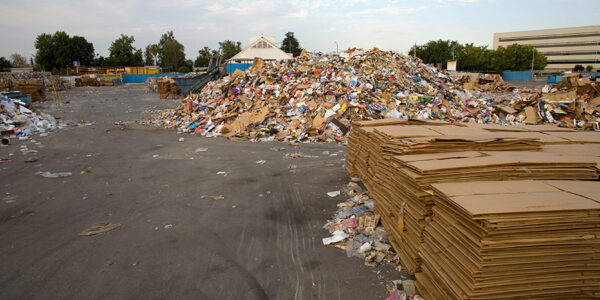
Expanding a recycling business in New Jersey may require additional environmental permits or modifications to existing approvals. Identifying permitting requirements early can help minimize delays and support successful project planning.
Expanding a Recycling Business? Environmental Permits You May Need
Expanding a recycling business in New Jersey may require additional environmental permits or modifications to existing approvals. Identifying permitting requirements early can help minimize delays and support successful project planning.
 Environmental Regulations Affecting New Jersey Waste and Recycling Companies
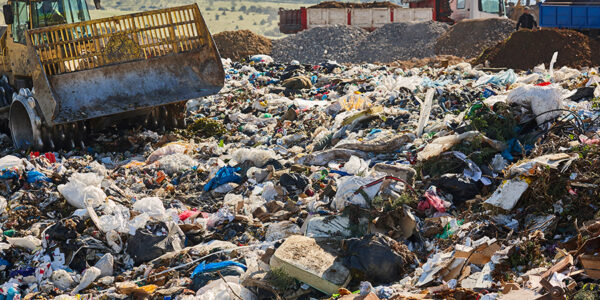
Waste and recycling companies in New Jersey operate under extensive environmental regulations governing licensing, permitting, waste handling, recycling operations, reporting, and regulatory compliance. Understanding these requirements helps businesses reduce risk and maintain compliant operations.
Environmental Regulations Affecting New Jersey Waste and Recycling Companies
Waste and recycling companies in New Jersey operate under extensive environmental regulations governing licensing, permitting, waste handling, recycling operations, reporting, and regulatory compliance. Understanding these requirements helps businesses reduce risk and maintain compliant operations.
 Environmental Compliance Tips for Solid Waste Transportation Companies
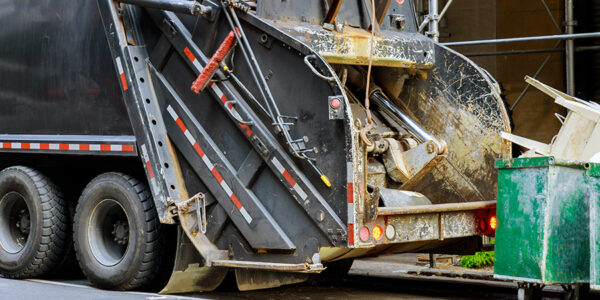
Solid waste transportation companies in New Jersey must comply with numerous environmental regulations governing licensing, transportation, recordkeeping, vehicle operations, and waste handling. Strong compliance practices help reduce regulatory risk and support efficient operations.
Environmental Compliance Tips for Solid Waste Transportation Companies
Solid waste transportation companies in New Jersey must comply with numerous environmental regulations governing licensing, transportation, recordkeeping, vehicle operations, and waste handling. Strong compliance practices help reduce regulatory risk and support efficient operations.
 Managing Environmental Risks in the Waste and Recycling Industry
Waste and recycling companies in New Jersey face numerous environmental risks related to permitting, regulatory compliance, waste handling, stormwater management, hazardous materials, and operational changes. Proactive risk management can help reduce regulatory exposure and support uninterrupted operations.
Managing Environmental Risks in the Waste and Recycling Industry
Waste and recycling companies in New Jersey face numerous environmental risks related to permitting, regulatory compliance, waste handling, stormwater management, hazardous materials, and operational changes. Proactive risk management can help reduce regulatory exposure and support uninterrupted operations.
 Preparing for Environmental Inspections at Recycling Facilities
Environmental inspections are a routine part of operating a recycling facility in New Jersey. Preparing in advance with organized records, trained employees, and ongoing compliance practices can help facilities respond efficiently to NJDEP inspections.
Preparing for Environmental Inspections at Recycling Facilities
Environmental inspections are a routine part of operating a recycling facility in New Jersey. Preparing in advance with organized records, trained employees, and ongoing compliance practices can help facilities respond efficiently to NJDEP inspections.
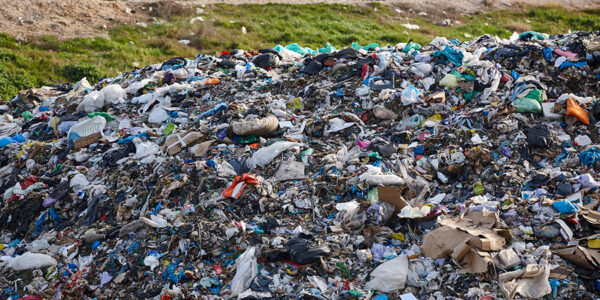 Responding to NJDEP Notices of Violation in the Recycling Industry
Receiving a Notice of Violation (NOV) from the New Jersey Department of Environmental Protection (NJDEP) can present significant legal and operational challenges for recycling companies. Understanding the process and responding appropriately can help businesses address compliance issues and reduce future risk.
Responding to NJDEP Notices of Violation in the Recycling Industry
Receiving a Notice of Violation (NOV) from the New Jersey Department of Environmental Protection (NJDEP) can present significant legal and operational challenges for recycling companies. Understanding the process and responding appropriately can help businesses address compliance issues and reduce future risk.
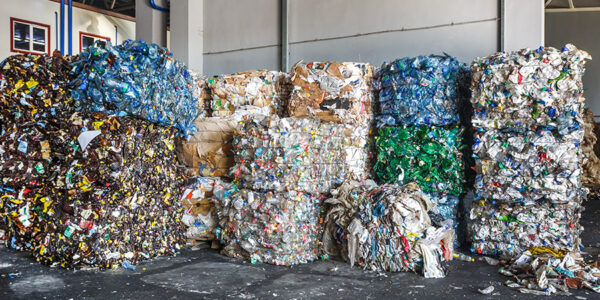 Understanding Permitting Requirements for Recycling Operations
Recycling operations in New Jersey are subject to a variety of permitting requirements depending on the type of materials handled, facility activities, and operational scope. Understanding applicable permits and maintaining compliance can help reduce delays and regulatory risk.
Understanding Permitting Requirements for Recycling Operations
Recycling operations in New Jersey are subject to a variety of permitting requirements depending on the type of materials handled, facility activities, and operational scope. Understanding applicable permits and maintaining compliance can help reduce delays and regulatory risk.
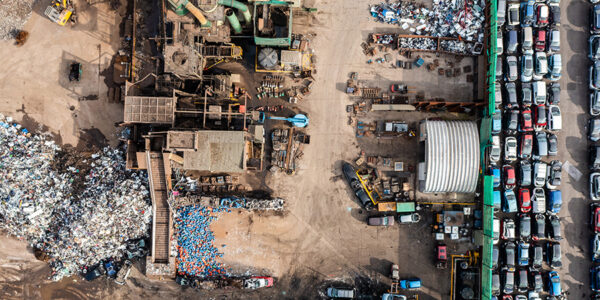 Environmental Compliance Strategies for Waste Haulers and Transfer Stations
Waste haulers and transfer stations in New Jersey operate under comprehensive environmental regulations governing waste handling, transportation, storage, permitting, reporting, and operational compliance. Developing proactive compliance strategies can help reduce regulatory risk and support efficient operations.
Environmental Compliance Strategies for Waste Haulers and Transfer Stations
Waste haulers and transfer stations in New Jersey operate under comprehensive environmental regulations governing waste handling, transportation, storage, permitting, reporting, and operational compliance. Developing proactive compliance strategies can help reduce regulatory risk and support efficient operations.
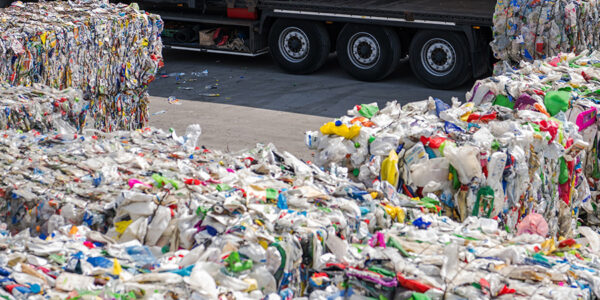 Common NJDEP Enforcement Issues Facing Recycling Facilities
environmental counsel commercial property transactions New Jersey,
Common NJDEP Enforcement Issues Facing Recycling Facilities
environmental counsel commercial property transactions New Jersey,
 Why Environmental Counsel Should Be Part of Every Commercial Property Transaction
Environmental issues can significantly affect the value, timing, and risk associated with commercial real estate transactions. Involving environmental counsel early helps buyers, sellers, developers, and lenders identify potential liabilities and navigate regulatory requirements before closing.
Why Environmental Counsel Should Be Part of Every Commercial Property Transaction
Environmental issues can significantly affect the value, timing, and risk associated with commercial real estate transactions. Involving environmental counsel early helps buyers, sellers, developers, and lenders identify potential liabilities and navigate regulatory requirements before closing.
 Reducing Environmental Risk in Commercial Real Estate Transactions
Environmental issues can significantly affect commercial real estate transactions. Conducting thorough environmental due diligence and proactively addressing potential concerns helps buyers, sellers, developers, and lenders reduce risk before closing.
Reducing Environmental Risk in Commercial Real Estate Transactions
Environmental issues can significantly affect commercial real estate transactions. Conducting thorough environmental due diligence and proactively addressing potential concerns helps buyers, sellers, developers, and lenders reduce risk before closing.