Skip to Main Content
Blog
 Understanding Administrative Orders from NJDEP and USEPA
Administrative orders issued by the New Jersey Department of Environmental Protection (NJDEP) or the U.S. Environmental Protection Agency (USEPA) can have significant consequences for commercial and industrial businesses. Understanding what these orders require is an important part of managing environmental compliance.
Understanding Administrative Orders from NJDEP and USEPA
Administrative orders issued by the New Jersey Department of Environmental Protection (NJDEP) or the U.S. Environmental Protection Agency (USEPA) can have significant consequences for commercial and industrial businesses. Understanding what these orders require is an important part of managing environmental compliance.
 Preparing for Environmental Compliance Inspections
Environmental compliance inspections are a routine part of regulatory oversight for many commercial and industrial facilities in New Jersey. Proper preparation can help businesses demonstrate compliance and reduce unnecessary disruptions.
Preparing for Environmental Compliance Inspections
Environmental compliance inspections are a routine part of regulatory oversight for many commercial and industrial facilities in New Jersey. Proper preparation can help businesses demonstrate compliance and reduce unnecessary disruptions.
 Self-Disclosure and Environmental Compliance: Does It Reduce Penalties?
Businesses that discover potential environmental compliance issues often ask whether voluntarily disclosing those issues can affect regulatory outcomes. Understanding self-disclosure policies and responding appropriately may help organizations make informed compliance decisions.
Self-Disclosure and Environmental Compliance: Does It Reduce Penalties?
Businesses that discover potential environmental compliance issues often ask whether voluntarily disclosing those issues can affect regulatory outcomes. Understanding self-disclosure policies and responding appropriately may help organizations make informed compliance decisions.
 Environmental Enforcement Defense Strategies for Commercial Businesses
Commercial and industrial businesses facing environmental enforcement actions should respond strategically and promptly. Understanding the enforcement process and developing an organized defense strategy can help reduce regulatory risk and support a favorable resolution.
Environmental Enforcement Defense Strategies for Commercial Businesses
Commercial and industrial businesses facing environmental enforcement actions should respond strategically and promptly. Understanding the enforcement process and developing an organized defense strategy can help reduce regulatory risk and support a favorable resolution.
 Environmental Penalties Related to Stormwater Violations
Stormwater violations can expose commercial and industrial facilities to enforcement actions, financial penalties, and operational disruptions. Understanding compliance obligations helps businesses reduce regulatory risk.
Environmental Penalties Related to Stormwater Violations
Stormwater violations can expose commercial and industrial facilities to enforcement actions, financial penalties, and operational disruptions. Understanding compliance obligations helps businesses reduce regulatory risk.
 Managing Stormwater Compliance During Construction and Redevelopment
Construction and redevelopment projects in New Jersey frequently involve stormwater compliance obligations. Proper planning and coordination can help businesses reduce regulatory risks, avoid project delays, and maintain compliance throughout project development.
Managing Stormwater Compliance During Construction and Redevelopment
Construction and redevelopment projects in New Jersey frequently involve stormwater compliance obligations. Proper planning and coordination can help businesses reduce regulatory risks, avoid project delays, and maintain compliance throughout project development.
 Preparing for NJDEP Stormwater Inspections
Businesses subject to New Jersey stormwater regulations should be prepared for NJDEP inspections by maintaining complete records, following permit requirements, and implementing effective compliance programs.
Preparing for NJDEP Stormwater Inspections
Businesses subject to New Jersey stormwater regulations should be prepared for NJDEP inspections by maintaining complete records, following permit requirements, and implementing effective compliance programs.
 How Environmental Counsel Helps Businesses Stay Stormwater Compliant
Stormwater compliance is a significant responsibility for many commercial and industrial facilities in New Jersey. Environmental counsel can help businesses understand regulatory obligations, reduce compliance risks, and respond to enforcement issues.
How Environmental Counsel Helps Businesses Stay Stormwater Compliant
Stormwater compliance is a significant responsibility for many commercial and industrial facilities in New Jersey. Environmental counsel can help businesses understand regulatory obligations, reduce compliance risks, and respond to enforcement issues.
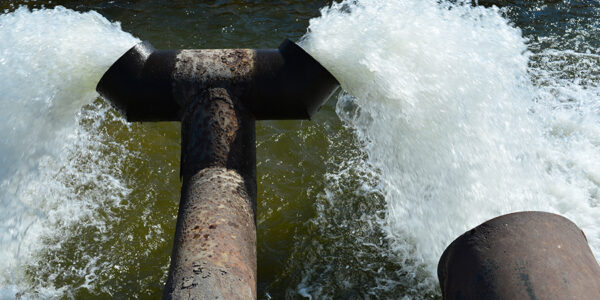 Environmental Compliance for Industrial Stormwater Discharges
Industrial facilities that discharge stormwater in New Jersey may be subject to NJPDES permit requirements and ongoing compliance obligations. A proactive compliance program helps reduce regulatory risk and avoid enforcement actions.
Environmental Compliance for Industrial Stormwater Discharges
Industrial facilities that discharge stormwater in New Jersey may be subject to NJPDES permit requirements and ongoing compliance obligations. A proactive compliance program helps reduce regulatory risk and avoid enforcement actions.
 Best Practices for Maintaining NJPDES Compliance
Maintaining compliance with New Jersey Pollutant Discharge Elimination System (NJPDES) requirements requires ongoing attention to permits, inspections, recordkeeping, and pollution prevention. Proactive compliance programs can help reduce regulatory risk.
Best Practices for Maintaining NJPDES Compliance
Maintaining compliance with New Jersey Pollutant Discharge Elimination System (NJPDES) requirements requires ongoing attention to permits, inspections, recordkeeping, and pollution prevention. Proactive compliance programs can help reduce regulatory risk.
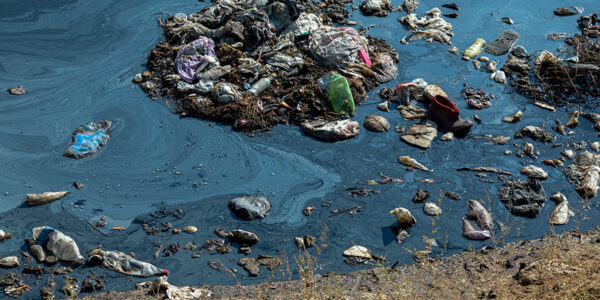 Avoiding Stormwater Compliance Violations in New Jersey
Businesses subject to New Jersey stormwater regulations can reduce regulatory risk by understanding permit requirements, maintaining compliance programs, and proactively addressing potential deficiencies before they become violations.
Avoiding Stormwater Compliance Violations in New Jersey
Businesses subject to New Jersey stormwater regulations can reduce regulatory risk by understanding permit requirements, maintaining compliance programs, and proactively addressing potential deficiencies before they become violations.
 NJPDES Stormwater Permit Requirements for Commercial and Industrial Facilities
Many commercial and industrial facilities in New Jersey are subject to NJPDES stormwater permitting requirements. Understanding permit obligations, inspections, recordkeeping, and pollution prevention responsibilities helps businesses reduce compliance risks.
NJPDES Stormwater Permit Requirements for Commercial and Industrial Facilities
Many commercial and industrial facilities in New Jersey are subject to NJPDES stormwater permitting requirements. Understanding permit obligations, inspections, recordkeeping, and pollution prevention responsibilities helps businesses reduce compliance risks.