Skip to Main Content
Blog
 How Do PFAS Regulations Affect New Jersey Businesses?
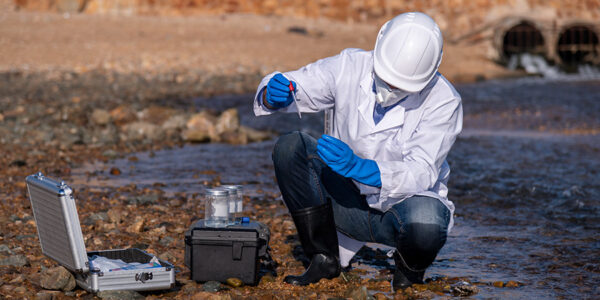
PFAS regulations are becoming increasingly important for New Jersey businesses. Companies that manufacture, use, store, discharge, or remediate properties contaminated with per- and polyfluoroalkyl substances (PFAS) may face additional testing, reporting, permitting, and cleanup obligations. New Jersey has been a national leader in regulating PFAS through drinking water standards, groundwater standards, hazardous substance designations, and site remediation requirements.
How Do PFAS Regulations Affect New Jersey Businesses?
PFAS regulations are becoming increasingly important for New Jersey businesses. Companies that manufacture, use, store, discharge, or remediate properties contaminated with per- and polyfluoroalkyl substances (PFAS) may face additional testing, reporting, permitting, and cleanup obligations. New Jersey has been a national leader in regulating PFAS through drinking water standards, groundwater standards, hazardous substance designations, and site remediation requirements.
 How Does New Jersey Environmental Justice Law Affect Industrial Facilities?
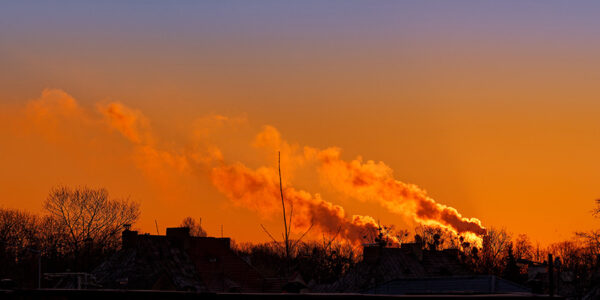
New Jersey's Environmental Justice Law requires NJDEP to evaluate how certain new or expanded industrial facilities may affect communities that have historically experienced disproportionate environmental and public health burdens. Covered facilities seeking permits in designated overburdened communities must complete an Environmental Justice Impact Statement (EJIS) and participate in a public hearing before NJDEP makes permitting decisions.
How Does New Jersey Environmental Justice Law Affect Industrial Facilities?
New Jersey's Environmental Justice Law requires NJDEP to evaluate how certain new or expanded industrial facilities may affect communities that have historically experienced disproportionate environmental and public health burdens. Covered facilities seeking permits in designated overburdened communities must complete an Environmental Justice Impact Statement (EJIS) and participate in a public hearing before NJDEP makes permitting decisions.
 What Environmental Issues Most Commonly Delay Warehouse and Logistics Projects in New Jersey?
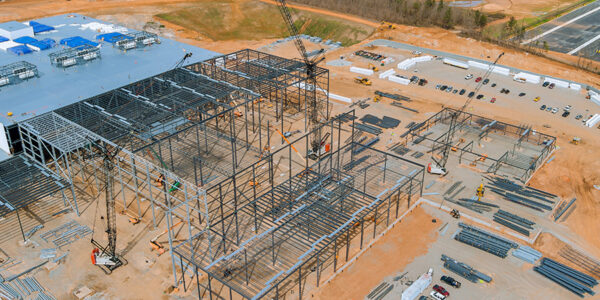
Warehouse and logistics projects in New Jersey can be delayed by a variety of environmental issues, including contaminated soil, wetlands, stormwater compliance, flood hazard regulations, endangered species concerns, underground storage tanks, and environmental permitting. Identifying these issues early through environmental due diligence and regulatory planning can help developers reduce delays, control costs, and keep projects on schedule.
What Environmental Issues Most Commonly Delay Warehouse and Logistics Projects in New Jersey?
Warehouse and logistics projects in New Jersey can be delayed by a variety of environmental issues, including contaminated soil, wetlands, stormwater compliance, flood hazard regulations, endangered species concerns, underground storage tanks, and environmental permitting. Identifying these issues early through environmental due diligence and regulatory planning can help developers reduce delays, control costs, and keep projects on schedule.
 How Do Federal EPA Investigations Interact with NJDEP Enforcement?
Federal Environmental Protection Agency (EPA) investigations and New Jersey Department of Environmental Protection (NJDEP) enforcement actions often overlap because many environmental laws are enforced by both federal and state agencies. Depending on the circumstances, an investigation may involve one agency, both agencies working together, or one agency taking the lead while the other provides oversight. Understanding how these agencies interact can help businesses, property owners, and developers respond effectively to environmental compliance issues.
How Do Federal EPA Investigations Interact with NJDEP Enforcement?
Federal Environmental Protection Agency (EPA) investigations and New Jersey Department of Environmental Protection (NJDEP) enforcement actions often overlap because many environmental laws are enforced by both federal and state agencies. Depending on the circumstances, an investigation may involve one agency, both agencies working together, or one agency taking the lead while the other provides oversight. Understanding how these agencies interact can help businesses, property owners, and developers respond effectively to environmental compliance issues.
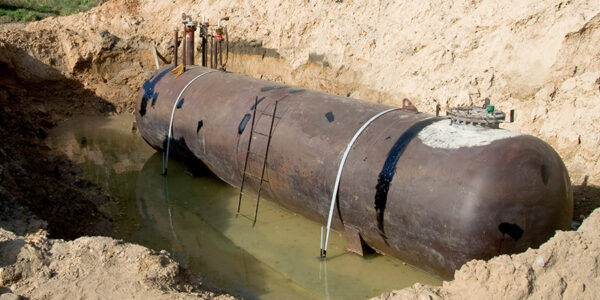 What Is Required to Close Underground Storage Tanks in New Jersey?
Closing an underground storage tank (UST) in New Jersey requires compliance with NJDEP regulations, including advance notification, the use of certified contractors, environmental evaluation, and, in many cases, oversight by a Licensed Site Remediation Professional (LSRP). If contamination is discovered during closure, additional investigation and remediation may be required before the site can be considered compliant.
What Is Required to Close Underground Storage Tanks in New Jersey?
Closing an underground storage tank (UST) in New Jersey requires compliance with NJDEP regulations, including advance notification, the use of certified contractors, environmental evaluation, and, in many cases, oversight by a Licensed Site Remediation Professional (LSRP). If contamination is discovered during closure, additional investigation and remediation may be required before the site can be considered compliant.
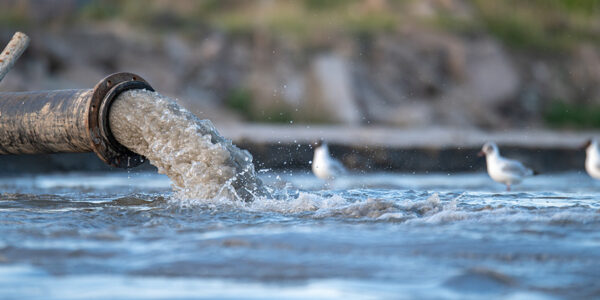 What Are the Penalties for Violating NJDEP Stormwater Permits?
Violating an NJDEP stormwater permit can result in notices of violation, administrative enforcement actions, civil penalties, project delays, permit modifications, and, in some cases, stop-work orders. The severity of the penalties depends on the nature of the violation, the environmental impact, the facility's compliance history, and how quickly corrective action is taken. Under New Jersey's Water Pollution Control Act, significant violations may carry substantial monetary penalties.
What Are the Penalties for Violating NJDEP Stormwater Permits?
Violating an NJDEP stormwater permit can result in notices of violation, administrative enforcement actions, civil penalties, project delays, permit modifications, and, in some cases, stop-work orders. The severity of the penalties depends on the nature of the violation, the environmental impact, the facility's compliance history, and how quickly corrective action is taken. Under New Jersey's Water Pollution Control Act, significant violations may carry substantial monetary penalties.
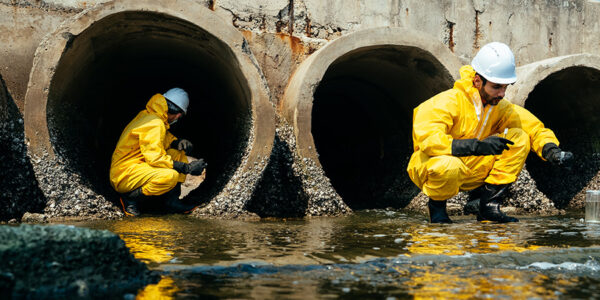 What Are a Developer’s Stormwater Obligations Under NJDEP Rules?
Developers in New Jersey must comply with NJDEP stormwater regulations designed to protect water quality, reduce flooding, and manage runoff from new development and redevelopment projects. Depending on the project, developers may need to prepare stormwater management plans, obtain permits, implement best management practices (BMPs), and satisfy municipal and state requirements before construction can begin.
What Are a Developer’s Stormwater Obligations Under NJDEP Rules?
Developers in New Jersey must comply with NJDEP stormwater regulations designed to protect water quality, reduce flooding, and manage runoff from new development and redevelopment projects. Depending on the project, developers may need to prepare stormwater management plans, obtain permits, implement best management practices (BMPs), and satisfy municipal and state requirements before construction can begin.
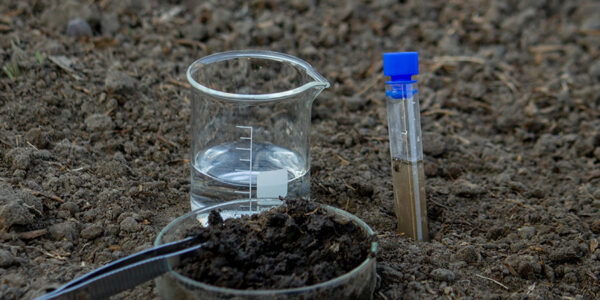 What Is an LSRP and When Is One Required in New Jersey?
A Licensed Site Remediation Professional (LSRP) is a New Jersey-licensed environmental professional responsible for overseeing the investigation and cleanup of contaminated properties under the state's Site Remediation Reform Act (SRRA). An LSRP is required for many remediation projects and plays a central role in helping property owners, businesses, and developers comply with NJDEP site remediation requirements.
What Is an LSRP and When Is One Required in New Jersey?
A Licensed Site Remediation Professional (LSRP) is a New Jersey-licensed environmental professional responsible for overseeing the investigation and cleanup of contaminated properties under the state's Site Remediation Reform Act (SRRA). An LSRP is required for many remediation projects and plays a central role in helping property owners, businesses, and developers comply with NJDEP site remediation requirements.
 What Are the Most Common NJDEP Violations for Industrial Facilities in New Jersey?
Industrial facilities in New Jersey can face NJDEP violations for a wide range of environmental compliance issues, including stormwater permit violations, hazardous waste management, air emissions, water discharges, underground storage tanks, and recordkeeping deficiencies. Understanding these common violations can help businesses reduce regulatory risks, avoid enforcement actions, and maintain compliance with New Jersey environmental laws.
What Are the Most Common NJDEP Violations for Industrial Facilities in New Jersey?
Industrial facilities in New Jersey can face NJDEP violations for a wide range of environmental compliance issues, including stormwater permit violations, hazardous waste management, air emissions, water discharges, underground storage tanks, and recordkeeping deficiencies. Understanding these common violations can help businesses reduce regulatory risks, avoid enforcement actions, and maintain compliance with New Jersey environmental laws.
 What Should Buyers Do Before Buying Contaminated Commercial Property in New Jersey?
Before purchasing contaminated commercial property in New Jersey, buyers should conduct thorough environmental due diligence, evaluate potential cleanup obligations, review NJDEP records, and understand how contamination could affect financing, redevelopment, and future liability. Identifying environmental risks early can help buyers make informed decisions and avoid costly surprises after closing.
What Should Buyers Do Before Buying Contaminated Commercial Property in New Jersey?
Before purchasing contaminated commercial property in New Jersey, buyers should conduct thorough environmental due diligence, evaluate potential cleanup obligations, review NJDEP records, and understand how contamination could affect financing, redevelopment, and future liability. Identifying environmental risks early can help buyers make informed decisions and avoid costly surprises after closing.
 Can NJDEP Stop or Delay a Redevelopment Project in New Jersey?
NJDEP can delay or, in certain circumstances, prevent a redevelopment project from moving forward if environmental requirements are not satisfied. Delays may result from contamination concerns, permit issues, regulatory violations, wetlands restrictions, stormwater requirements, or failure to complete required environmental reviews. Proper planning and early compliance evaluation can help reduce redevelopment delays.
Can NJDEP Stop or Delay a Redevelopment Project in New Jersey?
NJDEP can delay or, in certain circumstances, prevent a redevelopment project from moving forward if environmental requirements are not satisfied. Delays may result from contamination concerns, permit issues, regulatory violations, wetlands restrictions, stormwater requirements, or failure to complete required environmental reviews. Proper planning and early compliance evaluation can help reduce redevelopment delays.
 How Do NJDEP Enforcement Actions Typically Get Resolved?
NJDEP enforcement actions are typically resolved through a combination of investigation, communication with regulators, corrective actions, negotiated agreements, penalties, and ongoing compliance requirements. The resolution process depends on the type of violation, environmental impact, cooperation of the regulated party, and applicable New Jersey environmental regulations.
How Do NJDEP Enforcement Actions Typically Get Resolved?
NJDEP enforcement actions are typically resolved through a combination of investigation, communication with regulators, corrective actions, negotiated agreements, penalties, and ongoing compliance requirements. The resolution process depends on the type of violation, environmental impact, cooperation of the regulated party, and applicable New Jersey environmental regulations.