Skip to Main Content
Blog
 Phase I and Phase II Environmental Site Assessments: What Buyers Should Know
Phase I and Phase II Environmental Site Assessments are important components of environmental due diligence for commercial and industrial property transactions. Understanding their purpose helps buyers evaluate environmental risk before closing.
Phase I and Phase II Environmental Site Assessments: What Buyers Should Know
Phase I and Phase II Environmental Site Assessments are important components of environmental due diligence for commercial and industrial property transactions. Understanding their purpose helps buyers evaluate environmental risk before closing.
 Managing Environmental Issues Before Closing a Commercial Real Estate Deal
Environmental issues discovered before closing can affect pricing, financing, timing, and risk allocation in commercial real estate transactions. Early due diligence and coordinated planning help parties identify and address potential concerns before ownership changes.
Managing Environmental Issues Before Closing a Commercial Real Estate Deal
Environmental issues discovered before closing can affect pricing, financing, timing, and risk allocation in commercial real estate transactions. Early due diligence and coordinated planning help parties identify and address potential concerns before ownership changes.
 Identifying Hidden Environmental Risks Before Investing in Industrial Property
Industrial property investments can involve environmental risks that are not immediately apparent. Thorough environmental due diligence helps identify potential liabilities, regulatory obligations, and remediation concerns before completing a transaction.
Identifying Hidden Environmental Risks Before Investing in Industrial Property
Industrial property investments can involve environmental risks that are not immediately apparent. Thorough environmental due diligence helps identify potential liabilities, regulatory obligations, and remediation concerns before completing a transaction.
 Environmental Risk Allocation in Commercial Purchase Agreements
Environmental risk allocation provisions help buyers and sellers address potential environmental liabilities before a commercial real estate transaction closes. Careful planning and due diligence can reduce uncertainty and support informed negotiations.
Environmental Risk Allocation in Commercial Purchase Agreements
Environmental risk allocation provisions help buyers and sellers address potential environmental liabilities before a commercial real estate transaction closes. Careful planning and due diligence can reduce uncertainty and support informed negotiations.
 Environmental Liabilities That Can Affect Business Acquisitions
Environmental liabilities can significantly impact the value, timing, and structure of a business acquisition. Thorough environmental due diligence helps identify potential risks before a transaction is completed.
Environmental Liabilities That Can Affect Business Acquisitions
Environmental liabilities can significantly impact the value, timing, and structure of a business acquisition. Thorough environmental due diligence helps identify potential risks before a transaction is completed.
 Environmental Due Diligence Before Buying Commercial Property in New Jersey
Environmental due diligence is an essential step when purchasing commercial property in New Jersey. A comprehensive review can uncover environmental risks, regulatory obligations, and potential liabilities before a transaction is completed.
Environmental Due Diligence Before Buying Commercial Property in New Jersey
Environmental due diligence is an essential step when purchasing commercial property in New Jersey. A comprehensive review can uncover environmental risks, regulatory obligations, and potential liabilities before a transaction is completed.
 Environmental Due Diligence Before Buying Commercial Property in New Jersey
Environmental due diligence is an essential step when purchasing commercial property in New Jersey. A comprehensive review can uncover environmental risks, regulatory obligations, and potential liabilities before a transaction is completed.
Environmental Due Diligence Before Buying Commercial Property in New Jersey
Environmental due diligence is an essential step when purchasing commercial property in New Jersey. A comprehensive review can uncover environmental risks, regulatory obligations, and potential liabilities before a transaction is completed.
 Due Diligence Strategies for Industrial Property Purchases
Environmental due diligence is a critical component of purchasing industrial property in New Jersey. A comprehensive review can identify potential liabilities, regulatory obligations, and environmental risks before a transaction is finalized.
Due Diligence Strategies for Industrial Property Purchases
Environmental due diligence is a critical component of purchasing industrial property in New Jersey. A comprehensive review can identify potential liabilities, regulatory obligations, and environmental risks before a transaction is finalized.
 Environmental Law for New Jersey Developers and Redevelopment Projects
Environmental law affects nearly every stage of a New Jersey redevelopment project. Early environmental due diligence, proactive NJDEP permitting, coordinated work between legal counsel and technical consultants, and ongoing compliance during construction help reduce delays, control costs, and minimize environmental liability.
Environmental Law for New Jersey Developers and Redevelopment Projects
Environmental law affects nearly every stage of a New Jersey redevelopment project. Early environmental due diligence, proactive NJDEP permitting, coordinated work between legal counsel and technical consultants, and ongoing compliance during construction help reduce delays, control costs, and minimize environmental liability.
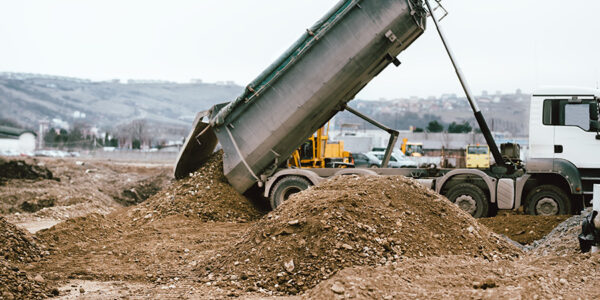 What Is the New Jersey Dirty Dirt Law?
New Jersey's "Dirty Dirt Law" is a nickname for legislation enacted to combat illegal dumping and increase oversight of the soil and fill recycling industry. The law expanded New Jersey's A-901 licensing program to cover many businesses involved in collecting, transporting, processing, brokering, storing, purchasing, selling, or disposing of soil and fill recyclable materials. Companies engaged in covered activities must comply with registration, licensing, and disclosure requirements administered by NJDEP.
What Is the New Jersey Dirty Dirt Law?
New Jersey's "Dirty Dirt Law" is a nickname for legislation enacted to combat illegal dumping and increase oversight of the soil and fill recycling industry. The law expanded New Jersey's A-901 licensing program to cover many businesses involved in collecting, transporting, processing, brokering, storing, purchasing, selling, or disposing of soil and fill recyclable materials. Companies engaged in covered activities must comply with registration, licensing, and disclosure requirements administered by NJDEP.
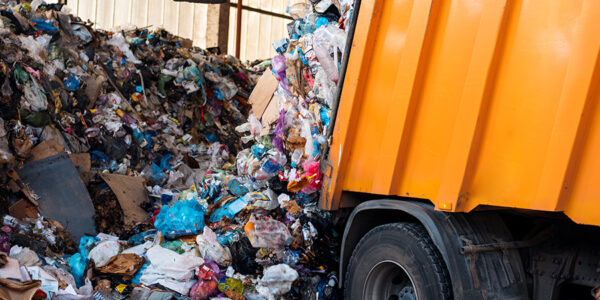 What Businesses Need A-901 Licensing Requirements in New Jersey?
New Jersey's A-901 licensing program applies to businesses engaged in the waste industry and soil and fill recycling services. Companies that transport, broker, process, store, or dispose of solid, hazardous, or medical waste—or provide soil and fill recycling services—may need an A-901 license from NJDEP before operating. The licensing process includes detailed ownership disclosures and background investigations designed to ensure integrity within the industry.
What Businesses Need A-901 Licensing Requirements in New Jersey?
New Jersey's A-901 licensing program applies to businesses engaged in the waste industry and soil and fill recycling services. Companies that transport, broker, process, store, or dispose of solid, hazardous, or medical waste—or provide soil and fill recycling services—may need an A-901 license from NJDEP before operating. The licensing process includes detailed ownership disclosures and background investigations designed to ensure integrity within the industry.
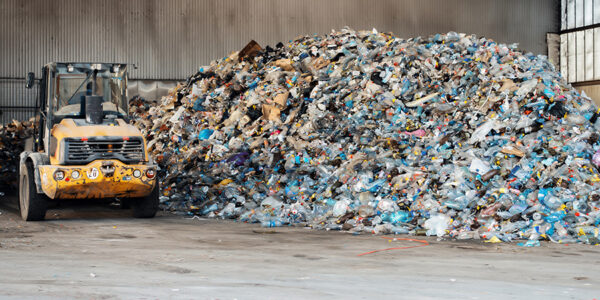 What Environmental Recycling Facility Permits in New Jersey are Needed?
Recycling facilities in New Jersey are subject to a wide range of environmental permitting requirements depending on the materials handled, facility operations, and location. Businesses may need approvals from NJDEP for solid waste or recycling activities, air emissions, stormwater, wastewater discharges, wetlands, and other environmental programs. Identifying permit requirements early can help avoid costly delays and compliance issues.
What Environmental Recycling Facility Permits in New Jersey are Needed?
Recycling facilities in New Jersey are subject to a wide range of environmental permitting requirements depending on the materials handled, facility operations, and location. Businesses may need approvals from NJDEP for solid waste or recycling activities, air emissions, stormwater, wastewater discharges, wetlands, and other environmental programs. Identifying permit requirements early can help avoid costly delays and compliance issues.